Alka Melt Drops Official Website › Blog › Wild Yam Extract: The Diosgenin Claim
Wild Yam Extract: The Diosgenin Claim And What It Actually Requires
Wild yam extract is not on the retail pack sheet this desk defaults to. It is named on the seller’s own “What’s Inside” artwork, and it carries one of the more persistent chemistry myths in the supplement aisle: that the body can turn its diosgenin into progesterone or DHEA on its own. It cannot, and the two human trials that actually tested wild yam found something more modest either way.
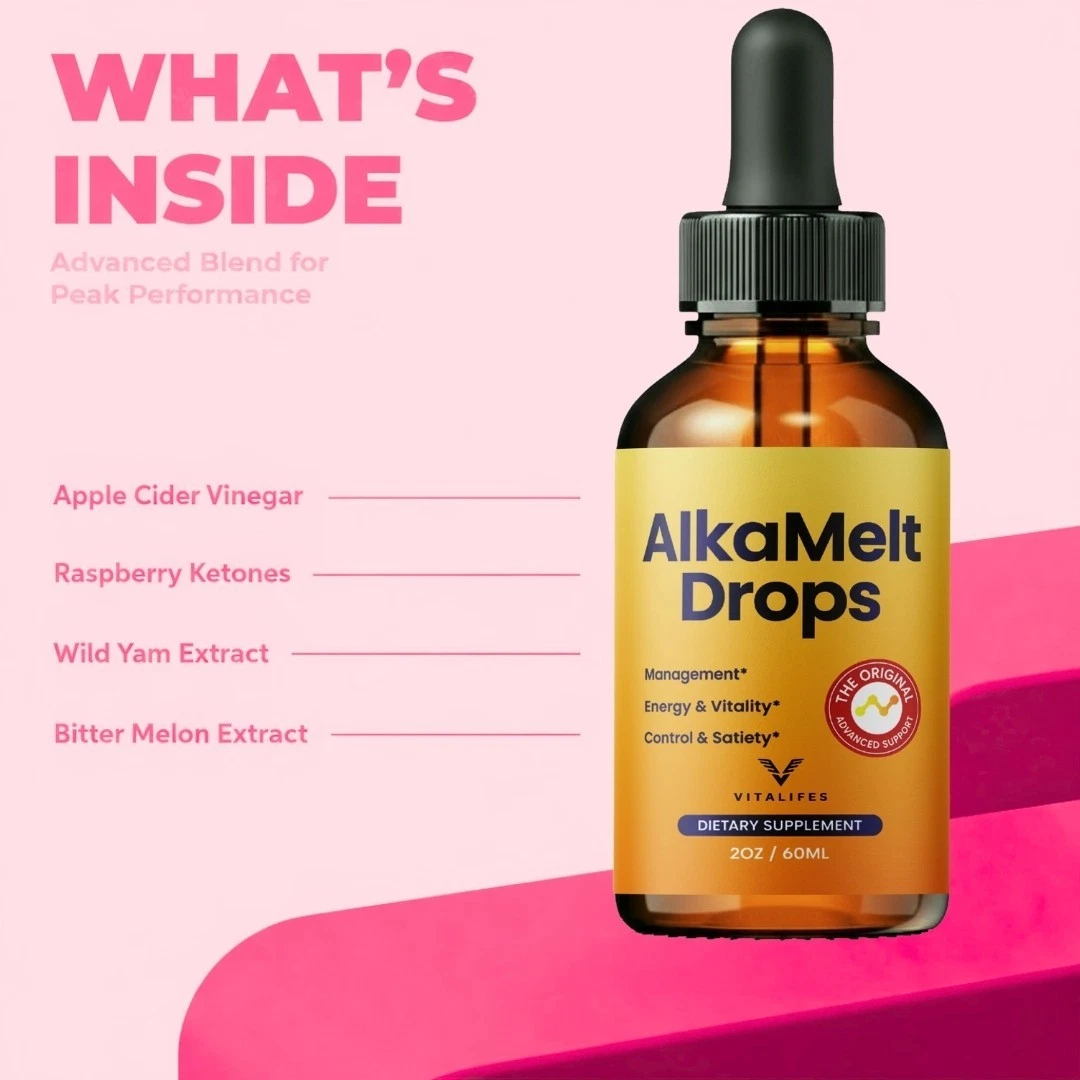
- This seller's retail-sheet list does not name wild yam. Its own artwork does, alongside apple cider vinegar, raspberry ketones and bitter melon.
- A 2001 crossover trial in healthy menopausal women found wild yam extract produced no change in menopausal symptoms, lipids or sex hormones compared with placebo.
- A separate 2011 trial of Dioscorea alata, a related yam species, used 24 mg/day over 12 months and reported a different, more favourable result on menopausal symptoms.
- Diosgenin, wild yam's steroidal saponin, is a real industrial precursor for DHEA and progesterone synthesis — in a laboratory, using specific reagents the human body does not possess.
- No published human trial supports the claim that eating or taking wild yam raises the body's own progesterone or DHEA levels.
Where wild yam actually appears
This desk works from the distributor's retail pack sheet for this product, which names seven botanicals: gotu kola, Chinese hawthorn, horse chestnut, stone root, motherwort, butcher's broom and grape seed. Wild yam is not one of the seven. It appears instead on the seller's own "What's Inside" artwork — the same photograph reproduced in full on this site's ingredients page — alongside apple cider vinegar, raspberry ketones and bitter melon extract. Anyone whose bottle matches that artwork rather than the retail sheet is looking at a genuinely different formulation, and this page exists for that reader.
The 2001 crossover trial: no change against placebo
A 2001 trial published in Climacteric, the journal of the International Menopause Society, tested wild yam extract in healthy menopausal women using a randomised, placebo-controlled crossover design — each participant received both the extract and placebo, in randomised order, allowing a within-person comparison. The measured outcomes were menopausal symptoms, lipid levels, and sex hormone concentrations.
The result was direct: no significant difference between wild yam extract and placebo on any of the three outcome categories. This is a well-designed trial for the question it asked, and its negative result is real evidence, not an absence of evidence — a crossover design is generally more statistically powerful than a simple two-group comparison, because each participant serves as their own control.
The 2011 Dioscorea alata trial: a different species, a different result
A decade later, a trial published in Climacteric in 2011 assessed the efficacy of Dioscorea alata — a related but distinct yam species, sometimes called purple yam or ube, more commonly eaten as a food than used as the "wild yam" of Western supplement marketing (which is usually Dioscorea villosa) — for menopausal symptom treatment in Taiwanese women. This trial ran considerably longer than the 2001 study, over 12 months, at a dose of 24 mg a day, and reported a more favourable result on menopausal symptoms than the earlier trial found.
| Trial | Species | Duration | Result |
|---|---|---|---|
| Komesaroff et al., 2001 | Wild yam extract (species not specified as Dioscorea alata) | Crossover design, shorter term | No difference vs placebo on symptoms, lipids or hormones |
| Hsu et al., 2011 | Dioscorea alata specifically | 12 months, 24 mg/day | More favourable effect on menopausal symptoms reported |
Two trials, two different species preparations, two different results. Species and preparation matter here as much as they do for hawthorn.
The gap between these two results is a genuine reason for caution rather than a reason to pick whichever trial supports a marketing claim. Different species, different preparations, different durations and different populations all differ between the two studies, and a single positive trial for a specific species at a specific dose over 12 months does not automatically transfer to an undosed extract of unspecified species in a dropper bottle. It is also worth noting that a 12-month trial duration is unusually long for a botanical supplement study; many of the negative or null results reported for other menopause botanicals come from shorter trials, and it is possible, though not established by these two trials alone, that duration itself is part of what separates the two results here.
Order Alka Melt Drops from the desk that prints both lists
Liquid drops in a 2 oz, 60 mL amber glass bottle. Both of the seller’s ingredient lists appear on the product pages exactly as it publishes them, with the size and quality of the evidence behind each named botanical printed beside it — including the ones with contested chemistry claims.
Price at checkout on the marketplace listing · money-back guarantee as the listing prints it
Order Alka Melt Drops On The Official Website2 oz / 60 mL a bottle · serving on the bottle · lot ALK-26/GE-2938
What diosgenin actually is, and the conversion myth
Wild yam contains diosgenin, a steroidal saponin that has been, since the mid-twentieth century, an important starting material for the pharmaceutical industry's synthesis of progesterone, DHEA, and other steroid hormones and corticosteroids — including, historically, the first commercially viable synthetic route to progesterone for early oral contraceptives, developed from Mexican wild yam diosgenin by chemist Russell Marker in the 1940s. This is real, well-documented industrial chemistry, and it is the origin of wild yam's enduring reputation as a "natural hormone" ingredient.
The gap this creates is between what a chemistry laboratory can do and what a human digestive system can do. Converting diosgenin into progesterone or DHEA requires a specific multi-step chemical synthesis (the Marker degradation and subsequent steps), using reagents and reaction conditions that do not exist inside the human body. The human body has no enzyme pathway that performs this conversion. Eating or taking wild yam extract does not raise circulating progesterone or DHEA, whatever a product page selling "natural progesterone cream" derived from wild yam might imply. Topical wild yam creams marketed as hormone-boosting have been specifically criticized on this exact chemistry point in the clinical literature discussing herbal menopause preparations.
A 2014 review in Maturitas, surveying herbal preparations for menopause beyond isoflavones and black cohosh, places wild yam in this exact context: a botanical with a persistent hormone-precursor reputation that is not supported by the actual pharmacology of oral or topical use, alongside the genuinely mixed trial record described in the section above.
What the DHEA literature itself says
It is worth reading what the actual DHEA pharmacology literature says, separate from any wild yam marketing claim. A 2020 review in Steroids surveys DHEA's own pharmacological activities in detail — a hormone that is itself available as a regulated dietary supplement in the United States (synthesized industrially, not extracted from wild yam by the body), with its own separate evidence base for uses in ageing, adrenal insufficiency and select other conditions. Reading that literature alongside the wild yam trials above makes the distinction clear: DHEA itself has real, if still debated, pharmacology. Wild yam extract taken orally is not a way to deliver it.
This distinction matters commercially as much as it does scientifically, because it explains why two very differently regulated products sit near each other on a supplement shelf. DHEA capsules sold in the United States contain the actual hormone, manufactured industrially (often starting from diosgenin as a raw material, exactly as Marker's original process did), and are subject to dosing and labelling as such. A wild yam extract capsule or dropper, by contrast, contains diosgenin and other yam constituents in their natural plant form, with no industrial conversion step having occurred, and delivers none of DHEA's own measured pharmacology. A label or marketing page that blurs this line — implying that "wild yam" and "DHEA precursor" are functionally the same purchase — is asking a reader to supply a chemistry step that only happens in a manufacturing facility, never in digestion.
The same logic applies to the "natural progesterone cream" category built on wild yam, a once-popular alternative-health claim that has faced direct criticism in the clinical literature on exactly this point: topical or oral wild yam preparations, absent industrial conversion, do not raise measurable progesterone in the people using them, however the marketing copy is worded.
Reading a wild yam row on any label
Three questions.
- Is a hormone-conversion claim attached? "Natural progesterone" or "DHEA precursor" language describing oral or topical wild yam is not supported by human pharmacology. The conversion is an industrial chemistry process, not a digestive one.
- Which species, and what dose? The 2011 trial's more favourable result used Dioscorea alata specifically, at 24 mg/day for 12 months. A different species or an undosed extract cannot claim that result.
- What outcome is actually being claimed? Menopausal symptom relief is the outcome one of the two human trials tested, with a mixed result across the two studies. Weight or metabolic claims are not what either trial measured.
A fourth, broader habit applies specifically to any ingredient carrying a hormone-related claim: ask whether the claimed mechanism requires a step the human body can actually perform. Diosgenin-to-DHEA conversion is the clearest example on this pack sheet's periphery, but the same question is worth asking of any "precursor," "builder" or "booster" claim attached to a botanical anywhere in the supplement aisle. A precursor is only meaningful if the relevant conversion enzyme exists in human tissue; several well-known marketing claims across the industry, not only this one, quietly assume a conversion step that has never been demonstrated to happen inside a person.
What that means for this bottle
The retail pack sheet for this specific product does not name wild yam among its seven botanicals. For anyone whose bottle carries the seller's alternate artwork instead, the honest summary is this: wild yam's two human trials disagree with each other, its best result belongs to a specific related species at a specific 12-month dose this bottle does not declare, and the "natural hormone" framing attached to it in much of the wider market is not supported by how the human body actually processes diosgenin. The full four-list comparison sets out which document names which ingredient, and it is the page to check first before assuming any specific claim made elsewhere about this bottle's contents applies to the one actually shipped.
References
- Komesaroff PA, Black CV, Cable V, Sudhir K. Effects of wild yam extract on menopausal symptoms, lipids and sex hormones in healthy menopausal women. Climacteric. 2001;4(2):144-50. PMID 11428178. https://pubmed.ncbi.nlm.nih.gov/11428178/
- Hsu CC, Kuo HC, Chang SY, et al. The assessment of efficacy of Dioscorea alata for menopausal symptom treatment in Taiwanese women. Climacteric. 2011;14(1):132-9. PMID 20653397. https://pubmed.ncbi.nlm.nih.gov/20653397/
- Depypere HT, Comhaire FH. Herbal preparations for the menopause: beyond isoflavones and black cohosh. Maturitas. 2014;77(2):191-4. PMID 24314619. https://pubmed.ncbi.nlm.nih.gov/24314619/
- Sahu P, Gidwani B, Dhongade HJ. Pharmacological activities of dehydroepiandrosterone: A review. Steroids. 2020;153:108524. PMID 31586606. https://pubmed.ncbi.nlm.nih.gov/31586606/