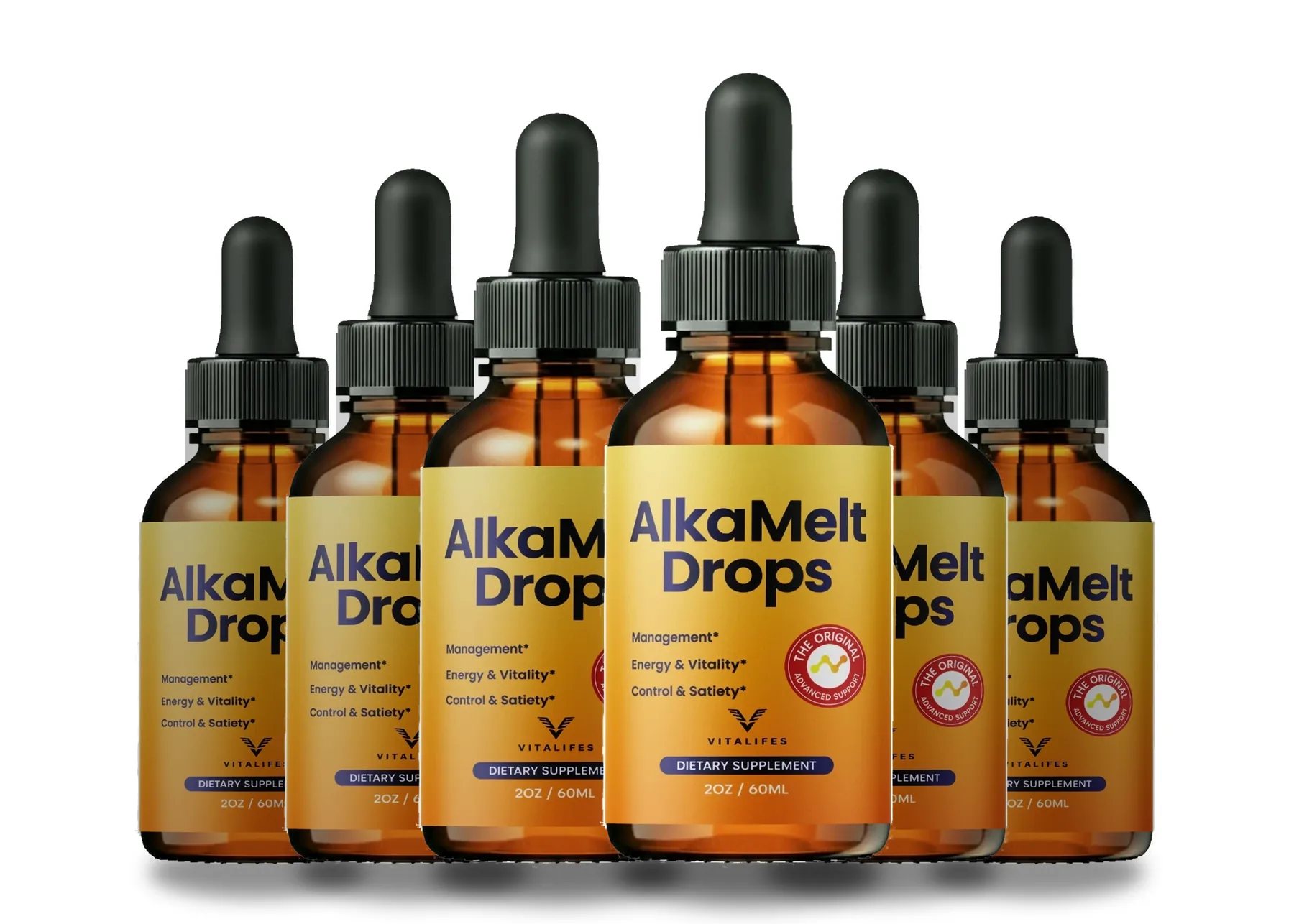
Alka Melt Drops Official Website › Side effects
Side effectsDoes Alka Melt Drops Have Side Effects?
No side-effect list is printed on the Alka Melt Drops bottle, so this page assembles one from the published record for each of the eleven materials the seller names.
The picture is mild and mostly digestive. Three interactions deserve naming: digoxin, glucose-lowering medicines and anticoagulants. The first was measured in people rather than inferred.
Every named material, the adverse-event record behind it, and the interactions that deserve a sentence at an appointment.
What kind of side effects Alka Melt Drops could plausibly have
What can be said about tolerability when the amounts are not printed.
Two things decide what a botanical liquid can do to a person: what is in it, and how much. On this bottle the first has two competing answers and the second has none, so the honest approach is to describe the tolerability of every material the seller names and to say where a missing amount changes the answer.
That is what this page does. It takes all eleven names, groups them by the kind of effect each has actually produced in published work, and then names the three medicines where an interaction is worth raising before the first serving rather than after a problem.
None of the eleven is a known hepatotoxin and none carries a boxed warning. The adverse-event picture across this whole group is mild, short-lived and mostly digestive, which is the ordinary picture for botanicals with long histories of food or traditional use.
Alka Melt Drops side effects, material by material
All eleven names the seller prints, with the adverse-event record attached to each.
| Named material | What the published work reports | How strong the evidence is |
|---|---|---|
| Horse chestnut seed | Gastrointestinal upset, dizziness, itching and headache at therapeutic amounts; nothing serious at oral doses in the trials | A 2023 escin review and NCCIH both describe it as well tolerated orally. Raw seed is a different matter and is not what an extract is. |
| Chinese hawthorn | Mild and infrequent: dizziness, nausea and gastrointestinal complaints | A systematic review of hawthorn adverse events across thousands of participants found the profile benign. NCCIH agrees. |
| Gotu kola | Stomach upset and, rarely, skin reactions. Liver concerns have been raised in isolated case reports rather than in trials | The controlled trials at 180 mg a day of the triterpenic fraction reported few withdrawals. |
| Butcher’s broom | Gastrointestinal discomfort and occasional nausea | The placebo-controlled trial reported tolerability comparable with placebo. |
| Grape seed | Headache, dry scalp, dizziness and nausea in a minority | NCCIH describes it as generally well tolerated in the doses studied. |
| Motherwort | Drowsiness in the one clinical study, which used an oil extract | A single 28-day study is the whole clinical record. |
| Stone root | Nothing reported, because nothing has been run | One indexed paper exists and it is a cell-line screen. |
| Apple cider vinegar | Throat irritation, tooth-enamel erosion with repeated undiluted contact, and worsened reflux in people prone to it | The 12-week trial reported no serious events at 15 or 30 mL a day. |
| Bitter melon | Abdominal pain and diarrhoea, and lowered blood glucose as an intended effect that becomes a side effect in the wrong company | The Cochrane review records the adverse events as mild. |
| Raspberry ketone | No human safety data at any dose | A 2021 review covers the animal and cell work. There is nothing else. |
| Wild yam | No adverse effects separated from placebo | The randomised trial found nothing moving in either direction. |
Every entry describes the material as published trials used it, at the doses those trials used. This label prints no amount for any of the eleven.
The three Alka Melt Drops interactions worth naming
One measured interaction, one predictable overlap, and one caution described accurately rather than loudly.
Digoxin, because this one was measured rather than inferred
Hawthorn sits on the seller’s first list. A pharmacokinetic study gave healthy volunteers digoxin alone and then digoxin with a hawthorn preparation, and found the combination altered how the drug was handled. Digoxin has an unusually narrow margin between a useful blood level and a harmful one. Anyone taking it should tell their prescriber before the first serving, name hawthorn specifically, and let the decision be made with that in view.
Glucose-lowering medicines, because bitter melon does the same job
Bitter melon is on the second list and the pooled evidence shows a real reduction in fasting glucose in people with type 2 diabetes. Added to insulin, metformin or a sulfonylurea, that is two things pushing in the same direction. The practical risk is a low reading rather than a high one, and it is entirely manageable if the prescriber knows it is happening.
Anticoagulants and antiplatelets, where the evidence is genuinely weaker
Several names on these lists carry bleeding cautions, and it is worth being accurate about how strong those are. A systematic review of warfarin interactions with food, herbs and supplements found much of this literature rests on case reports and theory rather than on controlled data. That is a reason to disclose rather than a reason to panic, and the disclosure costs nothing.
Name the product, say it is a botanical liquid whose label declares no amounts, and read out the two ingredient lists from the ingredients page. A prescriber can work with that. What they cannot work with is “some herbal drops”, which is what most people say.
Two side effects specific to the Alka Melt Drops format
Two things that come from the dropper rather than from the ingredients.
Acidity, teeth and reflux
If the second ingredient list is the operative one, this liquid contains acetic acid. Repeated contact between an acidic liquid and tooth enamel erodes it, and reflux-prone people commonly find vinegar worsens symptoms. Both are avoidable: dilute the serving in a glass of water, take it with food rather than before it, and rinse with plain water afterwards. Brushing immediately after anything acidic is the one thing not to do.
Dropper hygiene
A pipette that has touched a tongue, a glass or a spoon carries that back into the bottle, and a botanical liquid at room temperature is a serviceable growth medium. Cloudiness, a changed smell or anything visible in suspension is a reason to stop using that bottle rather than to work out whether it is still fine.
Neither of these is a property of the formula. Both are properties of taking a liquid from a shared dropper every morning, and both are solved by habit rather than by a different product.
When to stop taking Alka Melt Drops and get seen
Six signals, and the one that should not wait is the first.
- Any rash, swelling of the face or lips, or difficulty breathing. Stop immediately and seek urgent care. Allergic reactions to botanical preparations are uncommon and they are not gradual.
- New and unexplained tiredness, dark urine, pale stools or yellowing of the skin or eyes. Stop and be seen. Herbal and dietary supplements account for a growing share of drug-induced liver injury, and weight and energy products sit at the head of that list.
- Persistent stomach pain, or diarrhoea that does not settle within a few days of stopping.
- Light-headedness, sweating or confusion in anyone taking a glucose-lowering medicine. Check a blood glucose reading before assuming it is something else.
- Any new bruising or bleeding that is out of the ordinary for you, particularly on an anticoagulant or an antiplatelet.
- Anything that starts within a few days of the first serving and had not been happening before. It may be coincidence, and the way to find out is to stop for a week rather than to carry on and hope.
Serious problems linked to a dietary supplement can be reported to the Food and Drug Administration through its MedWatch programme, and the regulator’s own questions-and-answers page explains how the category is overseen. Tell the order desk as well on +1 (302) 200-3480, with the lot number from the base of the bottle, so the batch can be identified.
Honest safety analysis: what no Alka Melt Drops page can tell you
The part a safety page normally does, and cannot do on this bottle.
A safety page on a bottle with a printed panel can do real work: it can add the amounts up, compare them with tolerable upper intake levels, and tell a reader where the headroom is. None of that is possible here.
What is possible is what this page has done: describe the tolerability of every named material at the doses its trials used, name the interactions precisely, and be clear that the quantity question has no answer. Those three together are more useful than a page of general cautions, and they are also the ceiling.
Two further limits are worth stating plainly. Nobody has studied these eleven materials together, so nothing is known about the combination as a combination. And an unlabelled product cannot be checked against what it says it contains, which is the mechanism by which undeclared pharmaceutical ingredients have been found in supplements sold for weight and for sexual performance. Nothing suggests that here; it is simply a check that is unavailable.
Alka Melt Drops safety questions
Does Alka Melt Drops have side effects?
No side-effect list is printed on the bottle. The published adverse-event record for the eleven named materials is mild and mostly digestive: stomach upset, occasional nausea, headache and, for anything containing vinegar, throat irritation and tooth sensitivity. The table above takes each name in turn.
Can I take it with blood pressure medication?
Raise it with whoever prescribes it. Grape seed has pooled evidence of a small reduction in blood pressure and hawthorn is studied in cardiac populations, so it is worth a sentence at the next appointment rather than a guess.
Is it safe with diabetes medication?
Bitter melon lowers blood glucose, which is the whole of its evidence base. Taken alongside insulin or an oral glucose-lowering medicine, the risk is a low reading. Tell your prescriber, and check a reading if you feel light-headed in the first fortnight.
What about warfarin?
Several names on these lists carry bleeding cautions built largely on case reports. Mention the product at the next clinic visit and let the person managing the anticoagulation decide. They may simply want an extra check.
Does it damage the liver?
Nothing on either ingredient list is a known hepatotoxin. Herbal and dietary supplements as a category do account for a growing share of drug-induced liver injury, so new tiredness, dark urine or yellowing skin after starting anything is a reason to stop and be seen.
Will it upset my stomach?
It might, particularly on an empty stomach and particularly if the second ingredient list is the operative one. Taking the serving diluted in a glass of water with food solves it for most people. If it does not settle within a few days, stop.
Can I take it while on antibiotics?
No interaction is documented for any of the eleven names. Separating the two by a couple of hours is a reasonable habit with any oral medicine, and it costs nothing with a once-daily dropper.
Is it safe to take long term?
The longest trial behind any of these materials ran twelve weeks, so nothing is published about years of use for any of them. A sensible approach is to take it for a defined period, judge it against something you measured, and decide again rather than letting it become automatic.
Sources for the Alka Melt Drops safety page
Every adverse-event review, interaction study and regulator page named above.
- Wang Y, et al. Beta-Escin: An Updated Review of Its Analysis, Pharmacology, Pharmacokinetics, and Toxicity. Am J Chin Med. 2023;51(8):2095-2120. PMID 37865870. https://pubmed.ncbi.nlm.nih.gov/37865870/
- Horse Chestnut. National Center for Complementary and Integrative Health, National Institutes of Health. https://www.nccih.nih.gov/health/horse-chestnut
- Daniele C, et al. Adverse-event profile of Crataegus spp.: a systematic review. Drug Saf. 2006;29(6):523-35. PMID 16752934. https://pubmed.ncbi.nlm.nih.gov/16752934/
- Hawthorn. National Center for Complementary and Integrative Health, National Institutes of Health. https://www.nccih.nih.gov/health/hawthorn
- Tankanow R, et al. Interaction study between digoxin and a preparation of hawthorn (Crataegus oxyacantha). J Clin Pharmacol. 2003;43(6):637-42. PMID 12817526. https://pubmed.ncbi.nlm.nih.gov/12817526/
- Vanscheidt W, Jost V, Wolna P, et al. Efficacy and safety of a Butcher's broom preparation (Ruscus aculeatus L. extract) compared to placebo in patients suffering from chronic venous insufficiency. Arzneimittelforschung. 2002;52(4):243-50. PMID 12040966. https://pubmed.ncbi.nlm.nih.gov/12040966/
- Grape Seed Extract. National Center for Complementary and Integrative Health, National Institutes of Health. https://www.nccih.nih.gov/health/grape-seed-extract
- Shikov AN, Pozharitskaya ON, Makarov VG, et al. Effect of Leonurus cardiaca oil extract in patients with arterial hypertension accompanied by anxiety and sleep disorders. Phytother Res. 2011;25(4):540-3. PMID 20839214. https://pubmed.ncbi.nlm.nih.gov/20839214/
- Mazzio E, et al. High throughput screening of natural products for anti-mitotic effects in MDA-MB-231 human breast carcinoma cells. Phytother Res. 2014;28(6):856-67. PMID 24105850. https://pubmed.ncbi.nlm.nih.gov/24105850/
- Kondo T, Kishi M, Fushimi T, Ugajin S, Kaga T. Vinegar intake reduces body weight, body fat mass, and serum triglyceride levels in obese Japanese subjects. Biosci Biotechnol Biochem. 2009;73(8):1837-43. PMID 19661687. https://pubmed.ncbi.nlm.nih.gov/19661687/
- Ooi CP, Yassin Z, Hamid TA. Momordica charantia for type 2 diabetes mellitus. Cochrane Database Syst Rev. 2012;2012(8):CD007845. PMID 22895968. https://pubmed.ncbi.nlm.nih.gov/22895968/
- Peter EL, et al. Momordica charantia L. lowers elevated glycaemia in type 2 diabetes mellitus patients: Systematic review and meta-analysis. J Ethnopharmacol. 2019;231:311-324. PMID 30385422. https://pubmed.ncbi.nlm.nih.gov/30385422/
- Rao S, et al. Pharmacological Exploration of Phenolic Compound: Raspberry Ketone-Update 2020. Plants (Basel). 2021;10(7):1323. PMID 34209554. https://pubmed.ncbi.nlm.nih.gov/34209554/
- Komesaroff PA, Black CV, Cable V, Sudhir K. Effects of wild yam extract on menopausal symptoms, lipids and sex hormones in healthy menopausal women. Climacteric. 2001;4(2):144-50. PMID 11428178. https://pubmed.ncbi.nlm.nih.gov/11428178/
- Tan CSS, Lee SWH. Warfarin and food, herbal or dietary supplement interactions: A systematic review. Br J Clin Pharmacol. 2021;87(2):352-374. PMID 32478963. https://pubmed.ncbi.nlm.nih.gov/32478963/
- Navarro VJ, et al. Liver injury from herbal and dietary supplements. Hepatology. 2017;65(1):363-373. PMID 27677775. https://pubmed.ncbi.nlm.nih.gov/27677775/
- Tucker J, et al. Unapproved Pharmaceutical Ingredients Included in Dietary Supplements Associated With US Food and Drug Administration Warnings. JAMA Netw Open. 2018;1(6):e183337. PMID 30646238. https://pubmed.ncbi.nlm.nih.gov/30646238/
- Questions and Answers on Dietary Supplements. U.S. Food and Drug Administration. https://www.fda.gov/food/information-consumers-using-dietary-supplements/questions-and-answers-dietary-supplements
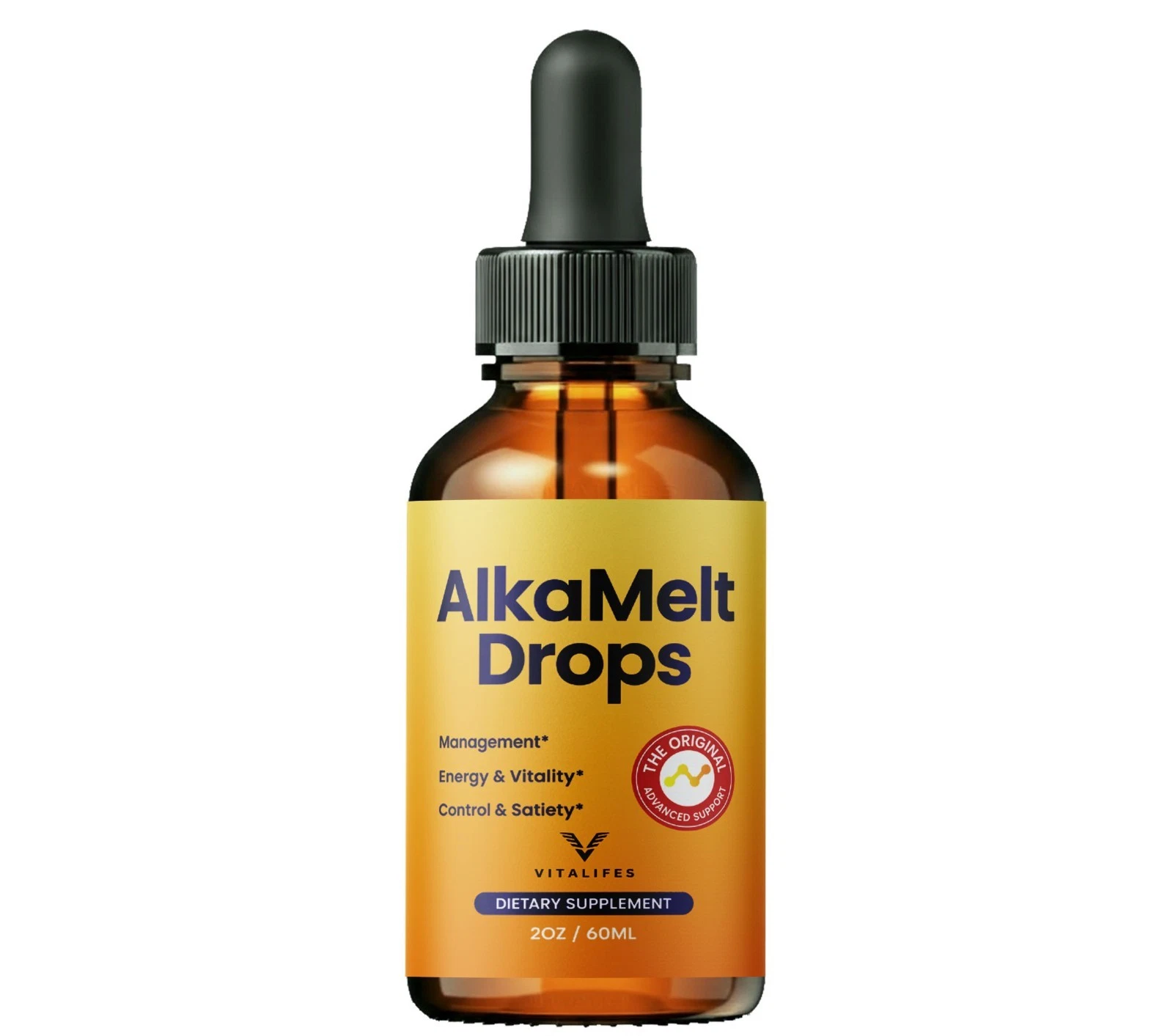
Order Alka Melt Drops with the safety picture in view
Eleven named materials, three interactions worth raising, and the whole record printed here rather than reduced to a warning line.
Price at checkout on the marketplace listing · money-back guarantee as the listing prints it
Order Alka Melt Drops On The Official Website2 oz / 60 mL a bottle · serving on the bottle · lot ALK-26/GE-2938