Alka Melt Drops Official Website › Verify a batch
Verify a batchVerify An Alka Melt Drops Batch
Lot ALK-26/GE-2938 and certificate reference ALK-2938-26-GE are filing references rather than laboratory proof.
No certificate is published with this product and no laboratory is named. This page sets out what the two codes establish, six checks a buyer can run on the bottle itself, and the four things traceability here does not reach.
What the codes are, what they prove, and what to do when something is wrong.
What the Alka Melt Drops lot and certificate references are
Four identifiers, and the difference between a reference and a document.
| Reference | Value | What it establishes |
|---|---|---|
| Lot | ALK-26/GE-2938 | A production run identifier. It lets a specific batch be traced back through the packer’s records if anyone needs to. |
| Certificate of analysis reference | ALK-2938-26-GE | A filing reference for a document held by the supplier. It is a pointer, not the document, and no certificate is published with this product. |
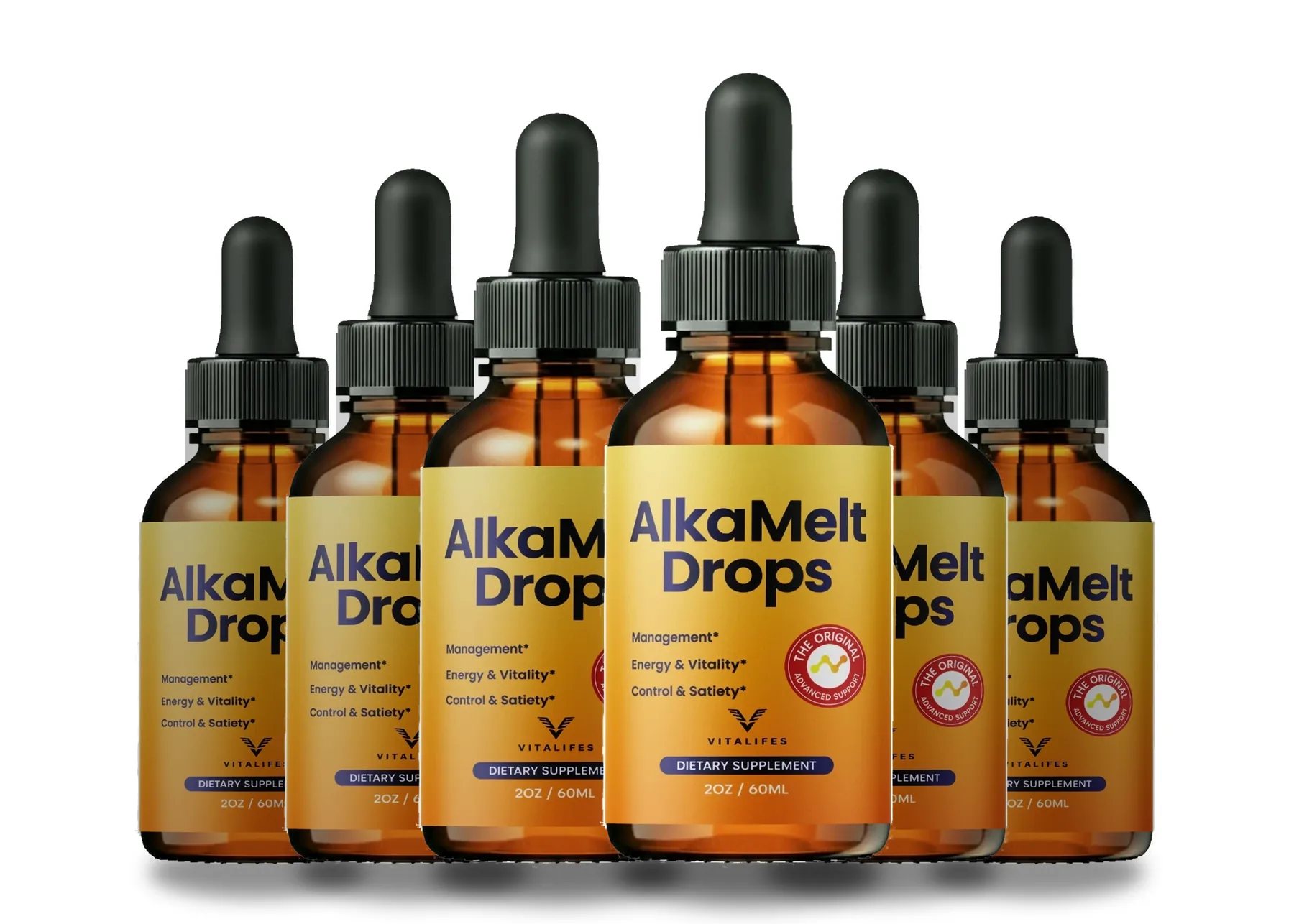
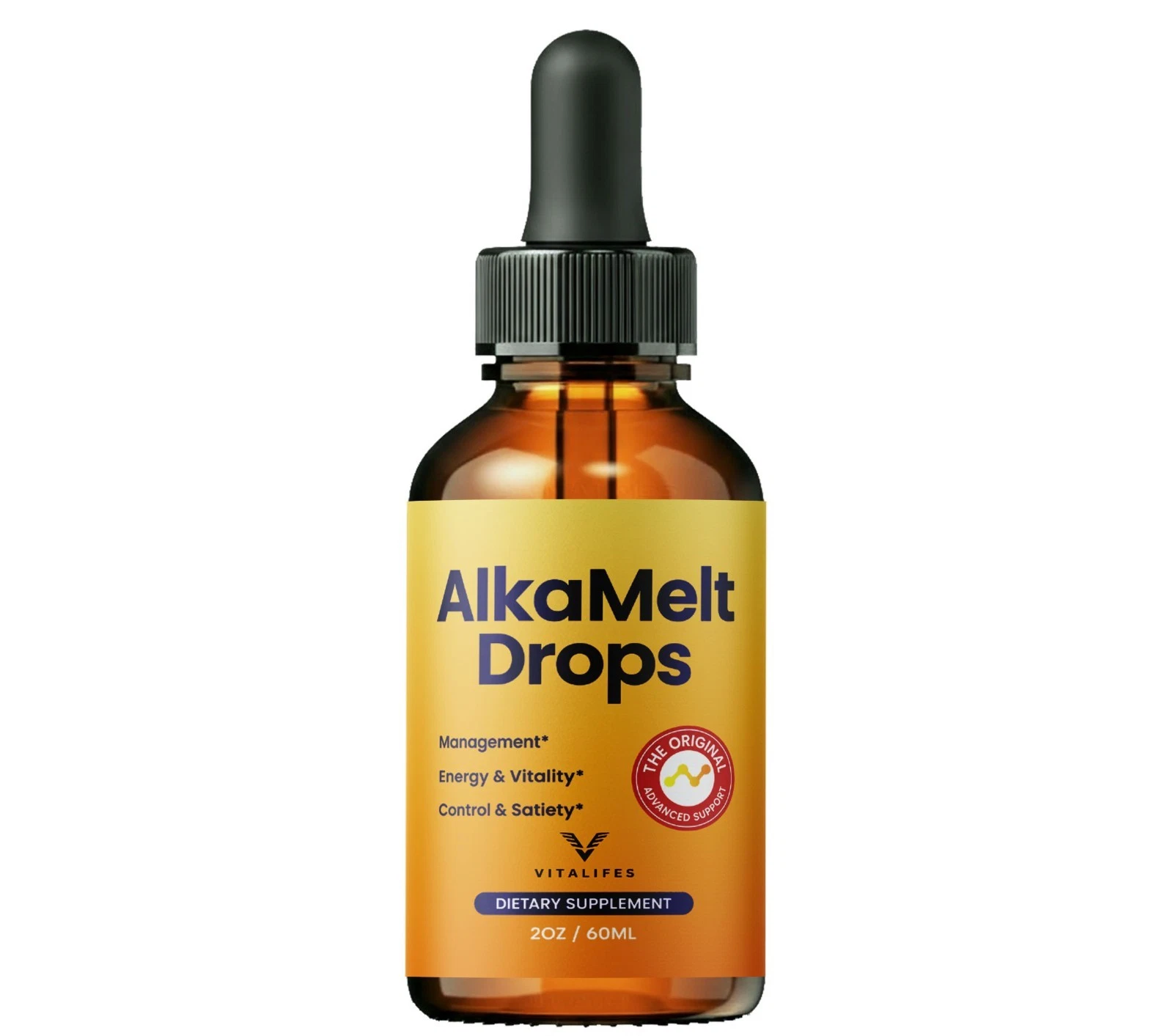
| Net contents | 2 oz / 60 mL | The only quantity printed anywhere on the front label, and the one figure on the bottle that can be verified with a measuring jug. |
| Manufacturer mark | VITALIFES | The name printed under the support lines on the front label. |
All four are read off the label artwork and the stocking paperwork supplied with this product.
The distinction in the second row is the one that matters and it is routinely blurred in this category. A certificate of analysis is a laboratory document reporting what a batch was tested for and what was found. A certificate reference is a string that identifies such a document.
This product supplies the reference. It does not supply the document, and no laboratory is named anywhere in the material that ships with it. That is ordinary for a marketplace supplement and it is worth being clear about, because a reference printed confidently can read like proof.
A dated certificate naming the laboratory, the batch, the assays run and the results, published where a buyer can open it. If one exists for this lot, this desk would publish it: send it to [email protected] and this page will carry it with the date it arrived.
Six checks you can run on an Alka Melt Drops bottle yourself
Six checks, all of them doable at a kitchen table, ranked by what they settle.
1. Read the base for a lot and a best-before date
Glass bottles in this category are stamped on the base when they are stamped at all. The reference shipped through this desk is ALK-26/GE-2938. A bottle with no mark at all is worth a call rather than an assumption, because a missing lot code removes any possibility of tracing it later.
2. Check the net contents against a measuring jug
Sixty millilitres is the one quantity this label prints, and it is the only claim on the bottle a buyer can test at home. Empty a bottle into a kitchen measure and you have verified the single verifiable number on the pack. That is a smaller victory than it sounds and it is still more than most people ever check.
3. Compare the front label with the artwork on this website
Name, roundel, manufacturer mark, the words Dietary Supplement in a blue bar, the net contents. All five are reproduced on the home page at the size supplied. A label that differs in wording rather than in printing quality is worth photographing.
4. Look for a back label the artwork never showed
This is the check this desk would most like a reader to run. No Supplement Facts panel exists in any image the seller supplies. If the physical bottle carries one, it is the authoritative document for this product and it outranks every graphic on this website.
5. Check the seal before opening
A tamper band or a sealed cap, intact, on every bottle in a multi-pack. Photograph anything that looks disturbed before opening it, because a bottle opened before it is reported is much harder to replace.
6. Match the bottle to your order
The order desk on +1 (302) 200-3480 can match a lot number to an order ID. That is the practical use of the code on the base, and it takes a minute on the telephone.
What a best-before date means on an Alka Melt Drops bottle
What the second stamp on the base actually asserts, and what it does not.
A best-before date on a botanical liquid is a stability statement rather than a safety one. It says the manufacturer expects the product to remain within specification until that date under the storage conditions printed on the label.
For an extract in solution, the thing that degrades first is usually the constituent class the product is sold for. Proanthocyanidins, triterpenes and phenolics all oxidise, and light and heat accelerate every one of those reactions. That is the whole reason this bottle is amber glass, and it is why a bottle stored on a bright windowsill can be inside its date and outside its specification.
Two practical consequences follow. A multi-pack sitting on a shelf for months is being stored by you rather than by the packer, so the storage advice on the how-to-take page applies to the unopened bottles as much as to the open one. And a bottle bought second-hand or from a reseller has a storage history nobody can reconstruct, which is a separate argument from the price.
It does not confirm what is in the bottle, how much of it there is, or that anything was tested. It is a manufacturer’s expectation about its own product, printed by the same people who printed the two ingredient lists that do not match.
What a lot number cannot tell you about Alka Melt Drops
Five things a batch reference establishes nothing about.
- What is in the bottle. A lot code identifies a production run; it does not describe its contents, and with two competing ingredient lists that is the open question on this product.
- How much of anything is in it. No amount is printed for any named material, and a batch reference does not supply one.
- That a laboratory tested it. No certificate is published and no laboratory is named in the material that ships with this product.
- That the formula does what the marketing says. A production record and a clinical result are different categories of thing.
- Whether the bottle has been stored properly since it left the packer. That depends on the route it travelled, which is the argument for a single supply chain on the where-to-buy page.
Saying this plainly is the point of the page. Batch codes and certificate references are genuinely useful for tracing and for recalls, and they are routinely presented in this category as though they were quality evidence. They are not, and a reader who knows the difference is harder to sell to.
If something is wrong with an Alka Melt Drops bottle
Three routes, and the order to use them in.
Three routes, in order of how quickly each one does something.
The order desk first. Call +1 (302) 200-3480 with the order ID and the lot from the base of the bottle. That desk can match the bottle to a shipment, arrange a replacement and start a return. Do this before anything else, and do it before discarding the bottle.
The regulator, for anything that harmed somebody. Serious adverse events linked to a dietary supplement can be reported to the Food and Drug Administration through its MedWatch programme, and its questions-and-answers page explains how the category is overseen. That report is independent of any refund and neither one replaces the other.
This desk, for anything that changes a page. Write to [email protected] with a photograph. A bottle that carries a panel, a different ingredient list or a different lot format is a correction this website needs, and it will be published with the date it arrived.
Whatever the problem, keep the bottle and its packaging until the matter is closed. It is the physical evidence, and every one of the three routes above works better with it than without it.
Honest analysis: how far Alka Melt Drops traceability actually reaches
Where traceability stops on this product, stated once.
A lot code, a certificate reference and a telephone number that is answered. That is the whole of the traceability on this product, and it is a low bar that a meaningful part of this category does not clear.
What sits above the bar and is missing here: a published certificate of analysis with a named laboratory, an identity test confirming the botanical species, a heavy metals and microbial panel, and any third-party mark from an independent testing organisation. None of the four appears in the material shipped with this product.
Their absence is not evidence of a problem. It is an absence of evidence, and the honest description of this product on that axis is untested rather than tested and clean. Anyone who needs the difference to matter should buy a product carrying an independent mark and pay what that costs.
Sources for the Alka Melt Drops batch page
The regulator’s own pages, and the review of what turns up in unlabelled supplements.
- Questions and Answers on Dietary Supplements. U.S. Food and Drug Administration. https://www.fda.gov/food/information-consumers-using-dietary-supplements/questions-and-answers-dietary-supplements
- Dietary Supplements: What You Need to Know. Office of Dietary Supplements, National Institutes of Health. https://ods.od.nih.gov/factsheets/WYNTK-Consumer/
- Tucker J, et al. Unapproved Pharmaceutical Ingredients Included in Dietary Supplements Associated With US Food and Drug Administration Warnings. JAMA Netw Open. 2018;1(6):e183337. PMID 30646238. https://pubmed.ncbi.nlm.nih.gov/30646238/
Order Alka Melt Drops through the route that can match a lot
One order ID, one lot reference, and an order desk that can connect the two in a minute.
Price at checkout on the marketplace listing · money-back guarantee as the listing prints it
Order Alka Melt Drops On The Official Website2 oz / 60 mL a bottle · serving on the bottle · lot ALK-26/GE-2938