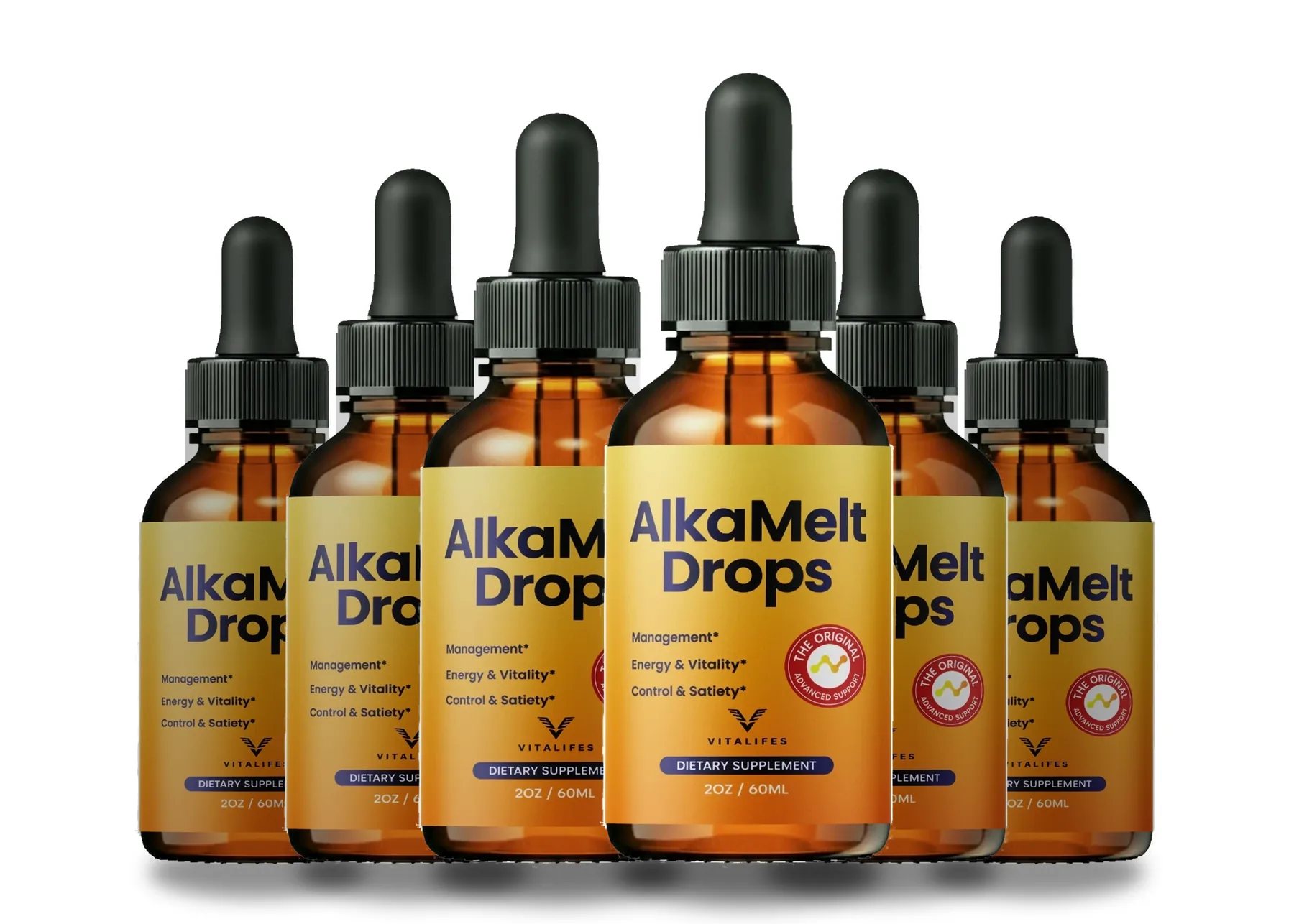
Alka Melt Drops Official Website › Metabolism supplement guide
Metabolism supplement guideMetabolism Supplement Guide: What The Research Shows
Across this category the honest summary is short. Apple cider vinegar has the only pooled human weight result worth quoting and it is modest. Green tea’s Cochrane review found a change too small to matter clinically. Raspberry ketone has no human trial at all. Several botanicals sold here were studied for leg veins instead.
Ingredient by ingredient: what was measured, in whom, at what amount, for how long.
What people actually mean when they buy one of these
Four different wants, sold as one.
Almost nobody buying a metabolism supplement wants a faster metabolic rate as such. They want one of four things: clothes that fit the way they used to, less of the mid-afternoon slump, an appetite that stops arguing at nine in the evening, or a scale that has stopped moving to start again. Those four are different problems with different evidence behind them, and a bottle that promises all four at once is promising across four literatures rather than one. Resting energy expenditure — the calories burned doing nothing — is largely set by lean tissue, age and thyroid function rather than by a dial a botanical turns. The most any ingredient here has been shown to do to it is the capsaicin result below, and that is about fifty-eight kilocalories a day.
Apple cider vinegar: the best evidence in the category, and how small it is
One large trial, one pooled analysis, and one trial that found nothing on fat.
Vinegar is the one name on a metabolism label whose human weight data survives pooling. The 2009 Japanese trial gave 155 adults with obesity 15 mL or 30 mL of vinegar a day — one or two tablespoons, carrying 750 or 1,500 mg of acetic acid — or a placebo drink, for twelve weeks. Body weight, fat mass and serum triglycerides all fell in the vinegar arms.
The numbers matter more than the direction. Across twelve weeks the difference against placebo was on the order of a kilogram to two, with the larger dose doing more — a real result from a properly randomised trial, and less than most people expect from twelve weeks of anything.
A 2025 systematic review and meta-analysis pooled the randomised trials in people with type 2 diabetes or overweight and found a standardised mean difference of about −0.39 on body weight, with the effect concentrated at the 30 mL end of the dose range. Concentrated at the top of the range is a useful phrase: it means the small doses in the pooled set were carrying very little of the result.
The counterweight is an eight-week trial of red wine vinegar that measured body fat directly. Glucose homeostasis improved and the metabolome shifted, and adiposity did not budge. Two trials, two endpoints, two answers — and the honest reading is that vinegar does something measurable to glucose handling and something much smaller and less reliable to fat mass.
| What the trials used | For how long | What moved |
|---|---|---|
| 15 mL or 30 mL a day, 750 or 1,500 mg acetic acid | 12 weeks | Weight and fat mass fell against placebo, further on the larger of the two arms |
| Red wine vinegar, daily | 8 weeks | Glucose homeostasis improved; adiposity was unchanged |
Thirty millilitres is two tablespoons of vinegar a day, and that is where the pooled effect sits.
Green tea catechins: a Cochrane review with an unhelpful answer
Eighteen trials, a change too small to matter, and a liver signal worth knowing.
Green tea extract is the most commercially successful ingredient in this category and the one with the clearest verdict against it. The Cochrane review of green tea for weight loss and weight maintenance pooled eighteen randomised trials in overweight and obese adults and found a mean weight change small enough that the authors called it not clinically important.
Small but consistent is sometimes worth having. Here it was small and inconsistent: different populations, different catechin amounts, several trials funded by companies selling the extract, and a pooled figure under two kilograms whose confidence interval crosses into nothing. There is also a safety file, which is unusual in this category. A review of green tea extract and drug-induced liver injury documents hepatotoxicity linked to concentrated catechin extracts — not to drinking tea, which has an enormous safety record, but to the high-dose encapsulated form, and NCCIH's green tea page carries the same caution in consumer language. That distinction runs through the whole category: a plant with centuries of dietary use is being sold in a concentration nobody ever ate, and the safety record of the food does not transfer to the capsule.
Capsaicin: a real thermogenic effect, and its actual size
The most defensible mechanism here, quantified — about 58 kcal a day.
Capsaicin is the ingredient that comes closest to doing what this category claims, which is why the number is worth printing. A meta-analysis of human capsaicin and capsiate studies found energy expenditure rose by roughly fifty-eight kilocalories a day, pooled across trials — and only in people whose BMI was above 25.
Fifty-eight kilocalories is a small apple. Sustained daily with nothing else changing, arithmetic says it adds up; in practice appetite adjusts, which is why the trials that measured weight rather than expenditure found much less than the expenditure figure predicts. The thermogenic effect is real, measurable and reproducible. It is also fifty-eight kilocalories, and the distance between that sentence and “fires up your metabolism” is the distance this whole category trades in.
Bitter melon: a glucose evidence base, not a weight one
Real trials, in people with diabetes, measuring glucose rather than weight.
Bitter melon appears on metabolism labels because of what it does to blood glucose, and that evidence is genuine if mixed. A 2019 meta-analysis found it lowered elevated glycaemia in type 2 diabetes, and one of the better-controlled trials used 2,000 mg a day for three months and reported improved insulin secretion.
The Cochrane review is the cold water. On bitter melon for type 2 diabetes specifically it found insufficient evidence to recommend it, on trials it judged small and at risk of bias. Two careful analyses of overlapping literature reaching different conclusions means the effect, if present, is not large enough to survive strict inclusion rules.
What matters for a metabolism label is that none of this is weight data. The endpoints were fasting glucose, HbA1c and insulin secretion, in people with diagnosed diabetes, at 2,000 mg a day for three months. Transferring that to a healthy adult who wants their jeans to fit involves an assumption no trial in the file supports.
Raspberry ketone and wild yam: the two names with nothing behind them
Two names on these labels with no supporting human trial between them.
Raspberry ketone reached the supplement aisle through a television segment rather than a trial, and the literature never caught up. A search of the indexed human literature returns cell work and animal work and nothing else, so there is no amount to compare a label against.
The best-designed animal study is the one worth knowing. Mice on a high-fat diet were given raspberry ketone, and it failed to reduce adiposity beyond what was explained by the animals simply eating less. In other words the compound suppressed intake, and the fat loss followed the reduced intake rather than any separate metabolic action.
A 2021 review of the compound surveys the pharmacology — the 3T3-L1 adipocyte work, the lipolysis signalling, the rodent models — and the human section is where it runs out of material. This is not an ingredient that failed. It is one that has never been tested in the species buying it.
Wild yam is the other end of the same problem. It is sold on the idea that diosgenin, the steroidal saponin it carries, becomes a hormone in the body — which it does in a laboratory, by a synthetic route developed in the 1940s, and not in a human being, which has no enzyme for that conversion. The one randomised, placebo-controlled, cross-over trial measured weight, blood pressure, cholesterol, triglycerides, HDL, FSH, glucose, oestradiol and progesterone. Nine endpoints, none of them moved.
The botanicals that arrive in this aisle from somewhere else entirely
Seven botanicals whose entire evidence base is about veins, not metabolism.
Open enough metabolism labels and a second family of names appears: gotu kola, horse chestnut, butcher’s broom, grape seed, hawthorn, stone root, motherwort. These are not metabolic agents that happen to be less famous. They are the standard European venous stack, and their trials measure ankle circumference, leg volume and capillary filtration rate.
The 1996 horse chestnut trial compared 50 mg of escin twice daily — 100 mg a day, twelve weeks — against compression stockings and matched them on lower leg volume; the Cochrane review of horse chestnut seed extract covers leg pain, oedema and itching in chronic venous insufficiency. The gotu kola trial used 180 mg a day of total triterpenes and found the 30 mg schedule weaker, the butcher’s broom trial quotes a monograph dosage rather than a milligram figure, and pooled grape seed data on blood pressure has no single established amount.
The hawthorn dose-comparison trial is the most instructive of the set: 1,800 mg a day of the WS 1442 extract beat placebo on maximal workload, and 900 mg a day did not. Half the dose was not half the effect. It was no effect.
Two of the seven have essentially nothing. Stone root returns a single indexed paper, a cell-line screen, with no clinical literature at any dose. Motherwort has one published clinical study, using 1,200 mg a day of the oil extract over 28 days.
Pooled, the family gets more cautious than any single trial looks. The Cochrane review of phlebotonics, a 2025 review of venoactive agents and a 2024 review of herbal agents in vascular disease all describe the same shape: moderate-certainty evidence of a small effect on oedema, in people who have a diagnosed venous condition, using standardised solid oral extracts at stated amounts. Neither of those last two qualifiers survives the trip onto a label that lists seven of them together without amounts.
| Botanical | What its trials measured | The amount they used |
|---|---|---|
| Horse chestnut (escin) | Lower leg volume in chronic venous insufficiency | 100 mg escin a day, as 50 mg twice daily, 12 weeks |
| Gotu kola | Microangiopathy and capillary filtration | 180 mg a day of total triterpenes, as 60 mg three times daily |
| Butcher’s broom | Oedema and leg symptoms | A monograph dosage; the trial prints no milligram figure |
| Grape seed | Blood pressure, and venous symptoms separately | Dose- and duration-dependent across 19 trials; no single figure |
| Hawthorn (WS 1442) | Maximal workload in cardiac patients | 1,800 mg a day worked; 900 mg a day did not |
| Motherwort | The endpoints of one published clinical study | 1,200 mg a day of the oil extract, 28 days |
| Stone root | Nothing in people | One indexed paper, a cell-line screen |
Every figure is an amount a published study used, not the contents of any product on sale.
What the law allows any of these products to say
Where the wording on every bottle in this aisle comes from.
A dietary supplement in the United States may describe support for a normal structure or function of the body. It may not claim to diagnose, treat, cure or prevent a disease, and it may not promise an outcome. The FDA's own questions and answers on dietary supplements sets out the boundary, and the NIH Office of Dietary Supplements consumer sheet covers the same ground for a reader rather than a lawyer.
That is why the language on these bottles is so uniform. “Supports healthy metabolism” is permitted and “melts fat away” is not; two phrases that look like variations in house style are a regulatory boundary. The consequence worth carrying to a shelf is that nothing in that framework requires a seller to prove a support claim before printing it. The claim must be truthful and the company must hold substantiation, but no agency reviews it first. A structure-function line is a statement about what a seller may write, not a finding about what is inside.
The safety file, which deserves more attention than the efficacy file
Emergency visits, liver injury and undeclared drugs: the part of the file nobody puts on a label.
Efficacy here is a question of whether money was wasted. Safety is a different kind of question, and the record is larger than most buyers expect. A national study of emergency department visits estimated tens of thousands of United States visits a year linked to supplement adverse events, with slimming and energy products prominent among them.
A review of liver injury from herbal and dietary supplements documents the pattern: these products account for a rising share of drug-induced liver injury cases, with slimming and bodybuilding products over-represented.
A review of unapproved pharmaceutical ingredients should change how anyone shops. Hundreds of products carrying FDA warnings held undeclared prescription drugs — sibutramine in slimming products being the recurring example — and many stayed on sale afterwards. That risk attaches to the supply chain rather than to any plant.
Interactions are the mundane end of the same file. A systematic review of warfarin interactions catalogues how many common supplements alter anticoagulation, hawthorn has a measured interaction with digoxin, and escin's toxicology and hawthorn's safety review both matter to anyone already on a cardiac or blood-thinning medicine.
Honest summary: what this category adds up to
The category ranked by evidence rather than by advertising spend.
Ranked by the strength of the human evidence rather than by advertising spend: vinegar first, with a pooled effect of about −0.39 standardised mean difference on weight at 30 mL a day; capsaicin second, with roughly fifty-eight kilocalories a day of extra expenditure above a BMI of 25; green tea third, with a Cochrane verdict of not clinically important and a liver caution attached.
Bitter melon has real trials on the wrong endpoint for this purpose, the venous botanicals have real trials on a different problem entirely, wild yam has one null trial, and raspberry ketone and stone root have none at all.
Put together, the ceiling for this whole category in a person who changes nothing else is small — a kilogram or two over three months, at the doses the best trials used, for the two or three ingredients with any pooled human data at all. None of which makes these products pointless. It makes them a small lever, correctly sized, and a reader who buys one knowing that has bought the thing that exists.
What the evidence genuinely supports
- Vinegar at 30 mL a day has a pooled human weight result
- Capsaicin raises energy expenditure by a measurable, quantified amount
- Bitter melon has genuine randomised glucose data in diabetes
- The venous botanicals have real oedema trials at stated doses
What it does not stretch to
- The effects that survive pooling are small, and smaller than the marketing
- Most trials ran eight to twelve weeks, so nothing here speaks to a year
- Concentrated extracts do not inherit the safety record of the food
- Undeclared pharmaceuticals here are a documented supply-chain risk
Who publishes this Alka Melt Drops website?
- Kondo T, Kishi M, Fushimi T, Ugajin S, Kaga T. Vinegar intake reduces body weight, body fat mass, and serum triglyceride levels in obese Japanese subjects. Biosci Biotechnol Biochem. 2009;73(8):1837-43. PMID 19661687. https://pubmed.ncbi.nlm.nih.gov/19661687/
- Castagna A, Ferro Y, Noto FR, et al. Effect of Apple Cider Vinegar Intake on Body Composition in Humans with Type 2 Diabetes and/or Overweight: A Systematic Review and Meta-Analysis of Randomized Controlled Trials. Nutrients. 2025;17(18):3000. PMID 41010525. https://pubmed.ncbi.nlm.nih.gov/41010525/
- Jasbi P, et al. Daily red wine vinegar ingestion for eight weeks improves glucose homeostasis and affects the metabolome but does not reduce adiposity in adults. Food Funct. 2019;10(11):7343-7355. PMID 31647087. https://pubmed.ncbi.nlm.nih.gov/31647087/
- Jurgens TM, et al. Green tea for weight loss and weight maintenance in overweight or obese adults. Cochrane Database Syst Rev. 2012;12(12):CD008650. PMID 23235664. https://pubmed.ncbi.nlm.nih.gov/23235664/
- Teschke R, et al. Green tea extract and the risk of drug-induced liver injury. Expert Opin Drug Metab Toxicol. 2014;10(12):1663-76. PMID 25316200. https://pubmed.ncbi.nlm.nih.gov/25316200/
- Green Tea. National Center for Complementary and Integrative Health, National Institutes of Health. https://www.nccih.nih.gov/health/green-tea
- Zsiboras C, et al. Capsaicin and capsiate could be appropriate agents for treatment of obesity: A meta-analysis of human studies. Crit Rev Food Sci Nutr. 2018;58(9):1419-1427. PMID 28001433. https://pubmed.ncbi.nlm.nih.gov/28001433/
- Ooi CP, Yassin Z, Hamid TA. Momordica charantia for type 2 diabetes mellitus. Cochrane Database Syst Rev. 2012;2012(8):CD007845. PMID 22895968. https://pubmed.ncbi.nlm.nih.gov/22895968/
- Peter EL, et al. Momordica charantia L. lowers elevated glycaemia in type 2 diabetes mellitus patients: Systematic review and meta-analysis. J Ethnopharmacol. 2019;231:311-324. PMID 30385422. https://pubmed.ncbi.nlm.nih.gov/30385422/
- Cortez-Navarrete M, et al. Momordica charantia Administration Improves Insulin Secretion in Type 2 Diabetes Mellitus. J Med Food. 2018;21(7):672-677. PMID 29431598. https://pubmed.ncbi.nlm.nih.gov/29431598/
- Cotten BM, et al. Raspberry ketone fails to reduce adiposity beyond decreasing food intake in C57BL/6 mice fed a high-fat diet. Food Funct. 2017;8(4):1512-1518. PMID 28378858. https://pubmed.ncbi.nlm.nih.gov/28378858/
- Rao S, et al. Pharmacological Exploration of Phenolic Compound: Raspberry Ketone-Update 2020. Plants (Basel). 2021;10(7):1323. PMID 34209554. https://pubmed.ncbi.nlm.nih.gov/34209554/
- Komesaroff PA, Black CV, Cable V, Sudhir K. Effects of wild yam extract on menopausal symptoms, lipids and sex hormones in healthy menopausal women. Climacteric. 2001;4(2):144-50. PMID 11428178. https://pubmed.ncbi.nlm.nih.gov/11428178/
- Pittler MH, Ernst E. Horse chestnut seed extract for chronic venous insufficiency. Cochrane Database Syst Rev. 2012;11(11):CD003230. PMID 23152216. https://pubmed.ncbi.nlm.nih.gov/23152216/
- Diehm C, Trampisch HJ, Lange S, Schmidt C. Comparison of leg compression stocking and oral horse-chestnut seed extract therapy in patients with chronic venous insufficiency. Lancet. 1996;347(8997):292-4. PMID 8569363. https://pubmed.ncbi.nlm.nih.gov/8569363/
- De Sanctis MT, Belcaro G, Incandela L, et al. Treatment of edema and increased capillary filtration in venous hypertension with total triterpenic fraction of Centella asiatica: a clinical, prospective, placebo-controlled, randomized, dose-ranging trial. Angiology. 2001;52 Suppl 2:S55-9. PMID 11666125. https://pubmed.ncbi.nlm.nih.gov/11666125/
- Vanscheidt W, Jost V, Wolna P, et al. Efficacy and safety of a Butcher's broom preparation (Ruscus aculeatus L. extract) compared to placebo in patients suffering from chronic venous insufficiency. Arzneimittelforschung. 2002;52(4):243-50. PMID 12040966. https://pubmed.ncbi.nlm.nih.gov/12040966/
- Foshati S, et al. The effect of grape (Vitis vinifera) seed extract supplementation on flow-mediated dilation, blood pressure, and heart rate: A systematic review and meta-analysis of controlled trials with duration- and dose-response analysis. Pharmacol Res. 2022;175:105905. PMID 34798267. https://pubmed.ncbi.nlm.nih.gov/34798267/
- Tauchert M. Efficacy and safety of crataegus extract WS 1442 in comparison with placebo in patients with chronic stable New York Heart Association class-III heart failure. Am Heart J. 2002;143(5):910-5. PMID 12040357. https://pubmed.ncbi.nlm.nih.gov/12040357/
- Daniele C, et al. Adverse-event profile of Crataegus spp.: a systematic review. Drug Saf. 2006;29(6):523-35. PMID 16752934. https://pubmed.ncbi.nlm.nih.gov/16752934/
- Tankanow R, et al. Interaction study between digoxin and a preparation of hawthorn (Crataegus oxyacantha). J Clin Pharmacol. 2003;43(6):637-42. PMID 12817526. https://pubmed.ncbi.nlm.nih.gov/12817526/
- Mazzio E, et al. High throughput screening of natural products for anti-mitotic effects in MDA-MB-231 human breast carcinoma cells. Phytother Res. 2014;28(6):856-67. PMID 24105850. https://pubmed.ncbi.nlm.nih.gov/24105850/
- Shikov AN, Pozharitskaya ON, Makarov VG, et al. Effect of Leonurus cardiaca oil extract in patients with arterial hypertension accompanied by anxiety and sleep disorders. Phytother Res. 2011;25(4):540-3. PMID 20839214. https://pubmed.ncbi.nlm.nih.gov/20839214/
- Martinez-Zapata MJ, Vernooij RW, Simancas-Racines D, et al. Phlebotonics for venous insufficiency. Cochrane Database Syst Rev. 2020;11(11):CD003229. PMID 33141449. https://pubmed.ncbi.nlm.nih.gov/33141449/
- Gloviczki ML, et al. The role of venoactive compounds in the treatment of chronic venous disease. J Vasc Surg Venous Lymphat Disord. 2025;13(5):102258. PMID 40348378. https://pubmed.ncbi.nlm.nih.gov/40348378/
- Bencsik T, et al. Herbal drugs in chronic venous disease treatment: An update. Fitoterapia. 2024;179:106256. PMID 39419127. https://pubmed.ncbi.nlm.nih.gov/39419127/
- Wang Y, et al. Beta-Escin: An Updated Review of Its Analysis, Pharmacology, Pharmacokinetics, and Toxicity. Am J Chin Med. 2023;51(8):2095-2120. PMID 37865870. https://pubmed.ncbi.nlm.nih.gov/37865870/
- Tan CSS, Lee SWH. Warfarin and food, herbal or dietary supplement interactions: A systematic review. Br J Clin Pharmacol. 2021;87(2):352-374. PMID 32478963. https://pubmed.ncbi.nlm.nih.gov/32478963/
- Navarro VJ, et al. Liver injury from herbal and dietary supplements. Hepatology. 2017;65(1):363-373. PMID 27677775. https://pubmed.ncbi.nlm.nih.gov/27677775/
- Geller AI, et al. Emergency Department Visits for Adverse Events Related to Dietary Supplements. N Engl J Med. 2015;373(16):1531-40. PMID 26465986. https://pubmed.ncbi.nlm.nih.gov/26465986/
- Tucker J, et al. Unapproved Pharmaceutical Ingredients Included in Dietary Supplements Associated With US Food and Drug Administration Warnings. JAMA Netw Open. 2018;1(6):e183337. PMID 30646238. https://pubmed.ncbi.nlm.nih.gov/30646238/
- Dietary Supplements: What You Need to Know. Office of Dietary Supplements, National Institutes of Health. https://ods.od.nih.gov/factsheets/WYNTK-Consumer/
- Questions and Answers on Dietary Supplements. U.S. Food and Drug Administration. https://www.fda.gov/food/information-consumers-using-dietary-supplements/questions-and-answers-dietary-supplements
Take this guide to the Alka Melt Drops pages
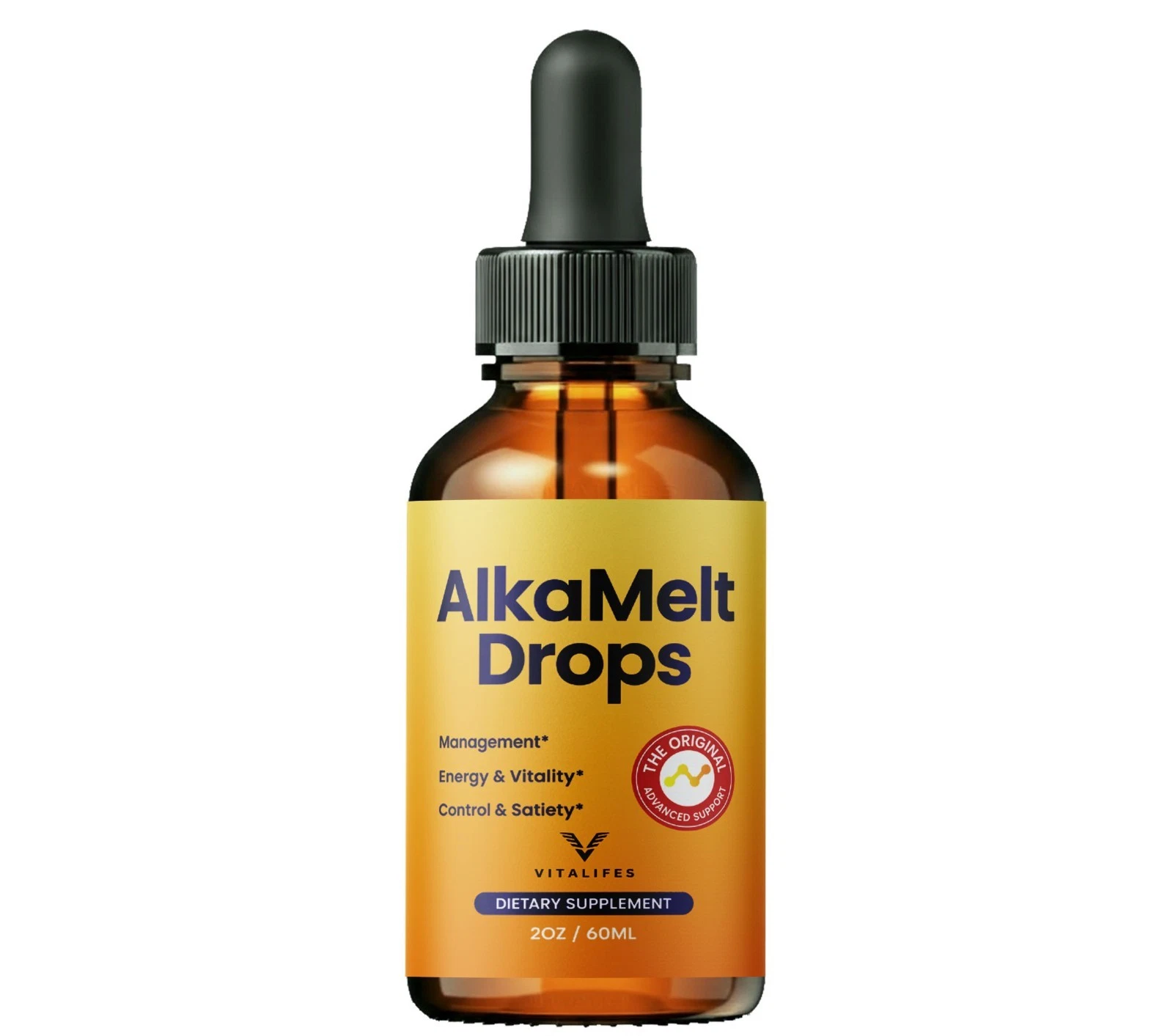
Every trial amount quoted here appears again on the product pages, set beside what this bottle prints. The dropper is 2 oz, 60 mL, and the figure is at the seller’s checkout.
Price at checkout on the marketplace listing · money-back guarantee as the listing prints it
Order Alka Melt Drops On The Official Website2 oz / 60 mL a bottle · serving on the bottle · lot ALK-26/GE-2938