Alka Melt Drops Official Website › Blog › Raspberry Ketones
Raspberry Ketones Have No Human Trial. Here Is What There Is
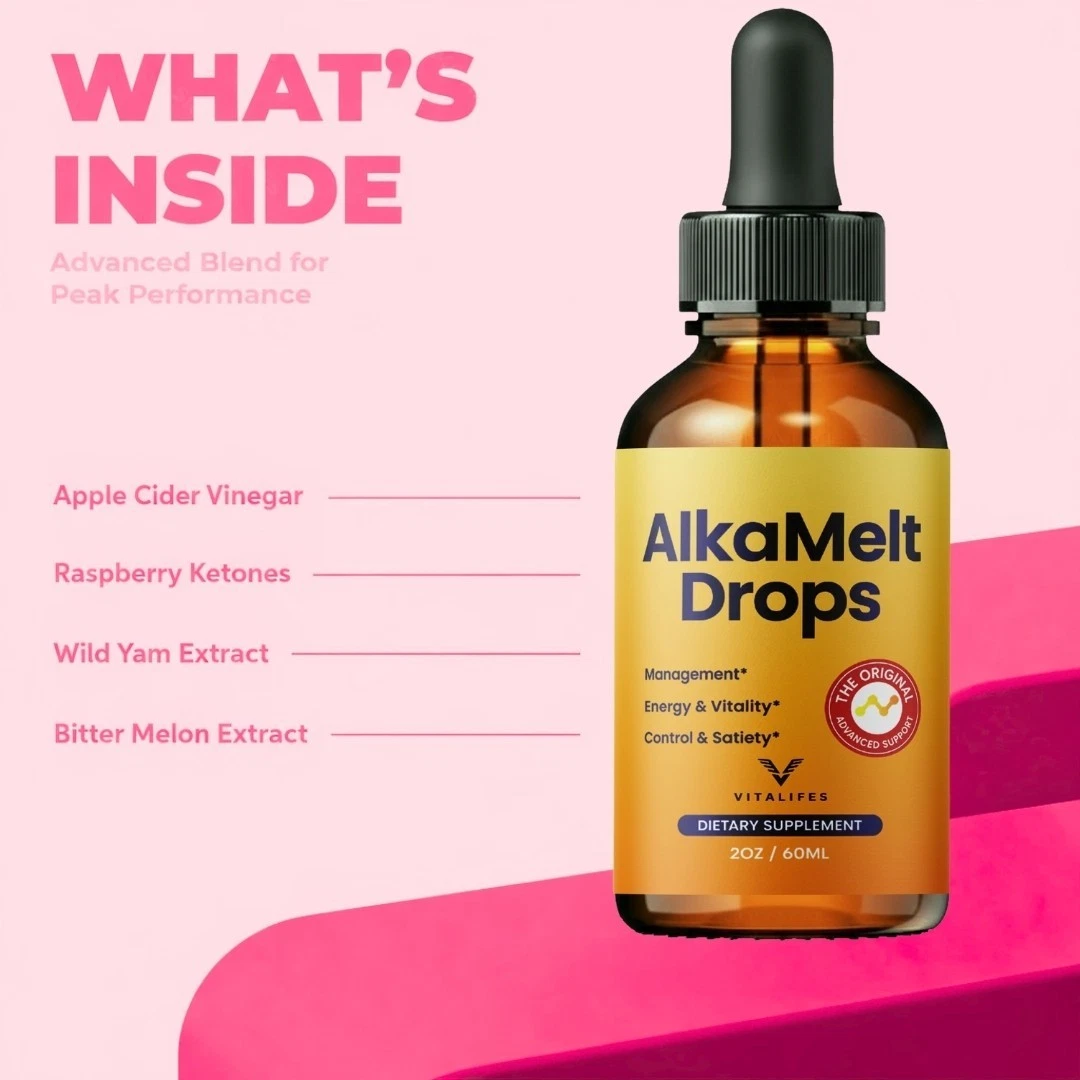
Raspberry ketone is one of the four names on the second of this seller’s ingredient lists. A search of the indexed literature for a randomised controlled trial of it in people returns nothing — not a weak trial, not a small one. The file contains cell cultures and rodents, and this is what they show.
What raspberry ketone is
Raspberry ketone is 4-(4-hydroxyphenyl)butan-2-one, the aromatic compound largely responsible for the smell of red raspberries. It has been used as a flavouring for a long time and has a settled place in food chemistry.
Its structural similarity to capsaicin and to synephrine is where the supplement story begins. Both of those affect fat metabolism in laboratory models, and the reasoning ran that a structurally related compound might do something similar. That is a legitimate starting hypothesis, and a hypothesis is what it remained.
The ingredient reached the aisle through a television segment rather than a publication, and demand arrived long before any trial could have been designed. Fifteen years later the human column is still empty.
What the cell work showed
The laboratory work is real and it is worth describing accurately rather than dismissing.
- In 3T3-L1 adipocytes — a mouse cell line used throughout obesity research — raspberry ketone has been reported to increase lipolysis, the breakdown of stored fat within the cell.
- It has been reported to affect adiponectin secretion, a hormone involved in fatty acid and glucose regulation.
- Some of this signalling overlaps with the pathways capsaicin acts on, which is what made the original analogy attractive.
- All of it happens in a dish, at concentrations chosen by the experimenter, with the compound applied directly to the cells.
A 2021 review of the compound gathers this pharmacology in one place. It is a useful survey and it is also where the shape of the problem becomes visible: the sections on mechanism and on animal work are substantial, and the section on human evidence has nothing to summarise.
Cell work earns a hypothesis. It does not establish that a compound survives digestion, reaches the tissue at a meaningful concentration, or does anything to a person.
What the best mouse study showed
The rodent literature is more informative than the cell work, and the best-designed study in it is the reason this post is careful rather than merely sceptical.
The C57BL/6 mouse study put animals on a high-fat diet and gave them raspberry ketone. Body fat was lower in the treated animals. So far, so encouraging — and then the authors did the thing that makes the study worth reading. They accounted for food intake.
The treated mice ate less. When the reduced intake was taken into account, the fat loss was explained by it, and the compound failed to reduce adiposity beyond that. In other words the effect was appetite suppression in a mouse, not a separate metabolic action on fat.
That is a specific, falsifiable finding from a properly controlled experiment, and it is the strongest single piece of evidence anyone has about what this compound does in a living animal.
It can rule a mechanism in or out in that species, which this one did. It cannot establish a human dose, a human effect or a human safety profile, and no amount of rodent work substitutes for one trial in people.
Where that leaves it on the evidence ladder
Evidence in nutrition runs in a familiar order, and it is worth laying the compound against it explicitly.
| Kind of evidence | What raspberry ketone has | What it would take to move up |
|---|---|---|
| Cell culture | 3T3-L1 adipocyte studies showing lipolysis signalling | Already present; this is where the story starts |
| Rodent studies | Several, including a well-controlled high-fat-diet study in mice | Already present, and the best of them is unflattering |
| Human pharmacokinetics | Very little published | A study establishing what a person absorbs, and at what amount |
| Randomised controlled trial in people | None | One trial, with a stated dose, a control group and a measured endpoint |
| Pooled analysis of human trials | None | Several such trials, by different groups |
The ladder is the ordinary hierarchy of evidence. This compound sits on the bottom two rungs and the rungs above them are empty.
Two rungs occupied, three empty. What a reader should take from that is not that the compound has failed — failure requires a test — but that nobody knows, and that any sentence about what it does in a person is an extrapolation from a dish or a mouse.
It also means something practical. There is no human dose to compare a label amount against. Even a product that printed a raspberry ketone figure in milligrams would be printing a number with nothing to check it against.
What a first human trial would have to look like
It is worth being concrete about what is missing, because “no human trial” can sound like a technicality. It is not. Here is what the smallest useful study would need, and none of it is exotic.
- A stated dose. A measured amount of the compound, given daily, written down before the study starts. Without this nothing that follows can be repeated by anyone else.
- A control group. People on an identical-looking placebo, allocated at random, so the comparison is against something rather than against expectation.
- Blinding. Neither the participants nor the people measuring them knowing who got which, because appetite and weight are unusually responsive to knowing.
- A pre-specified endpoint. Body weight, or fat mass, or energy expenditure, chosen in advance rather than selected afterwards from whatever moved.
- Long enough to matter. The vinegar and green tea trials ran eight to twelve weeks. Anything much shorter measures noise.
- Food intake recorded. This is the lesson the mouse study taught: without intake data, an appetite effect is indistinguishable from a metabolic one.
That is an unremarkable trial design, run thousands of times on other compounds, and it would cost a fraction of what has been spent marketing this ingredient over fifteen years. Its absence is a commercial choice rather than a scientific obstacle, and it is worth noticing that the choice has never needed to be revisited, because the ingredient sells perfectly well without it.
Order Alka Melt Drops from the desk that prints both lists
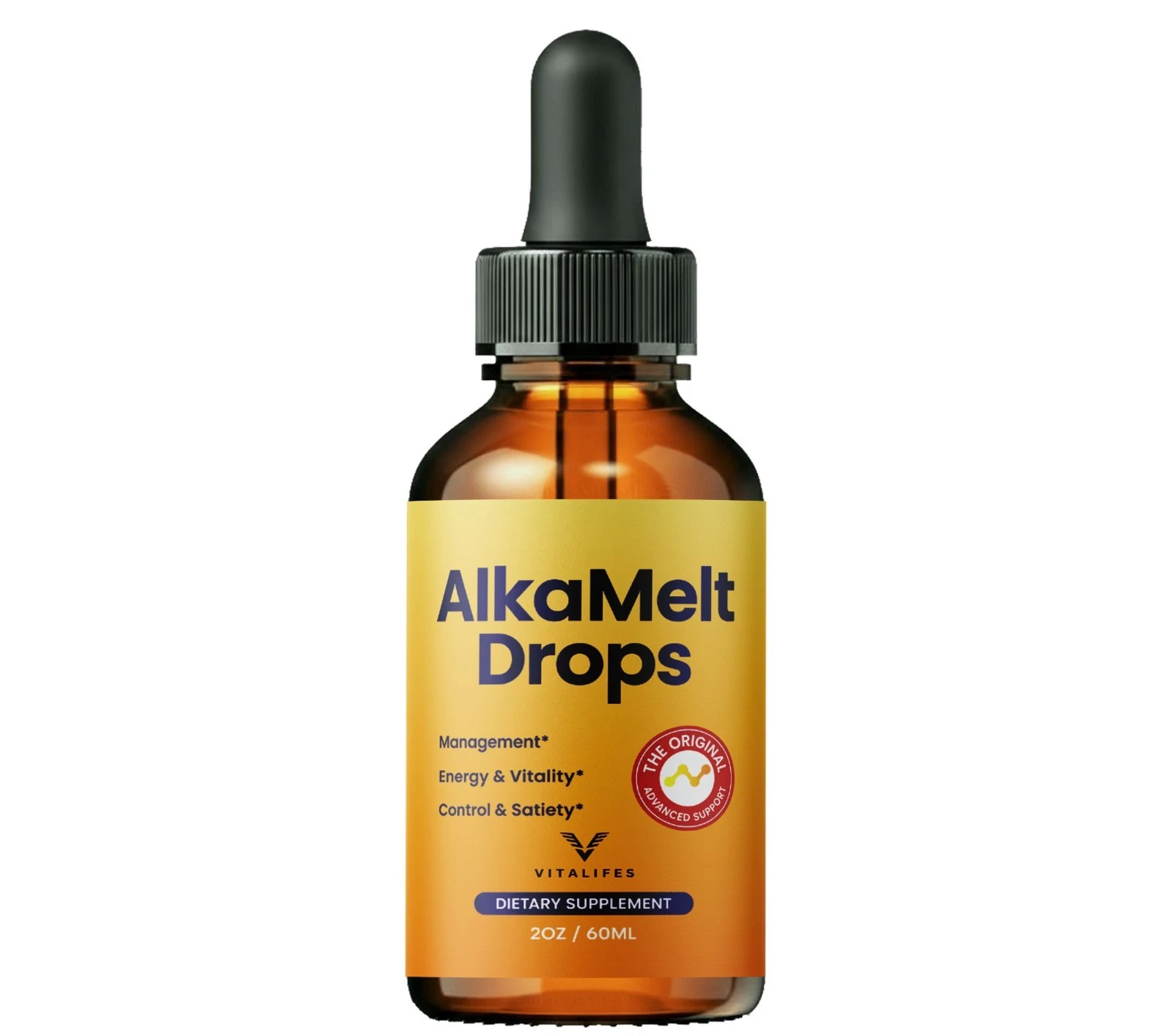
Liquid drops in a 2 oz, 60 mL amber glass bottle. Both of the seller’s ingredient lists appear on the product pages exactly as it publishes them, with the amount each named botanical’s trials used printed beside it.
Price at checkout on the marketplace listing · money-back guarantee as the listing prints it
Order Alka Melt Drops On The Official Website2 oz / 60 mL a bottle · serving on the bottle · lot ALK-26/GE-2938
How it compares with ingredients that do have trials
The contrast is the most useful part of this post, because it shows what a genuine human result looks like at three different strengths.
| Ingredient | Best human evidence | The number |
|---|---|---|
| Apple cider vinegar | Pooled randomised trials in overweight and type 2 diabetes | A standardised mean difference of about −0.39 on body weight, at 30 mL a day |
| Capsaicin | A meta-analysis of human energy expenditure studies | About 58 kcal a day more expenditure, only above a BMI of 25 |
| Green tea extract | A Cochrane review of eighteen randomised trials | A change the reviewers called not clinically important |
| Raspberry ketone | None in humans | There is no number, because there is no trial |
Three ingredients with human trials, at three different strengths of result, and one with none. The contrast is the point of the table.
The vinegar meta-analysis is the strongest of the three and its effect is still modest: a standardised mean difference of about −0.39 on body weight, concentrated at 30 mL a day. The capsaicin meta-analysis quantifies a real thermogenic effect at roughly 58 kcal a day, and only in people above a BMI of 25. The Cochrane review of green tea pooled eighteen trials and called the result not clinically important.
None of those is a dramatic finding. All three are findings, produced by giving a measured amount to people and measuring what happened. That is the category raspberry ketone is not in.
Why an ingredient with no trial is still on labels
Three reasons, and none of them requires anyone to be dishonest.
- Name recognition sells. A compound with a memorable name and a television origin story is worth more on a panel than an unfamiliar one with better data.
- The regulatory framework does not require a trial. A structure-function statement must be truthful and substantiated, and no agency reviews it before a bottle ships. An ingredient with cell-culture data attached can carry a compliant sentence.
- It is cheap and it is safe enough as a flavouring. A long history of food use makes it an easy inclusion, and easy inclusions accumulate on multi-ingredient labels.
There is a fourth consideration that belongs in any post about slimming ingredients, and it is about the aisle rather than this compound. The review of unapproved pharmaceutical ingredients found hundreds of products carrying FDA warnings that contained undeclared prescription drugs, with slimming products heavily represented. That risk is about supply chains and sellers, not about plants, and it is a reason to prefer a seller who can be identified and reached.
For this bottle the position is stated the same way on every page. Raspberry ketone is on one of the seller’s two lists, no amount is published for it, and there is no human trial anywhere to compare an amount against even if one were. A reader who wants an ingredient with a number behind it should look at what the first list contains instead.
References
- Cotten BM, et al. Raspberry ketone fails to reduce adiposity beyond decreasing food intake in C57BL/6 mice fed a high-fat diet. Food Funct. 2017;8(4):1512-1518. PMID 28378858. https://pubmed.ncbi.nlm.nih.gov/28378858/
- Rao S, et al. Pharmacological Exploration of Phenolic Compound: Raspberry Ketone-Update 2020. Plants (Basel). 2021;10(7):1323. PMID 34209554. https://pubmed.ncbi.nlm.nih.gov/34209554/
- Zsiboras C, et al. Capsaicin and capsiate could be appropriate agents for treatment of obesity: A meta-analysis of human studies. Crit Rev Food Sci Nutr. 2018;58(9):1419-1427. PMID 28001433. https://pubmed.ncbi.nlm.nih.gov/28001433/
- Jurgens TM, et al. Green tea for weight loss and weight maintenance in overweight or obese adults. Cochrane Database Syst Rev. 2012;12(12):CD008650. PMID 23235664. https://pubmed.ncbi.nlm.nih.gov/23235664/
- Castagna A, Ferro Y, Noto FR, et al. Effect of Apple Cider Vinegar Intake on Body Composition in Humans with Type 2 Diabetes and/or Overweight: A Systematic Review and Meta-Analysis of Randomized Controlled Trials. Nutrients. 2025;17(18):3000. PMID 41010525. https://pubmed.ncbi.nlm.nih.gov/41010525/
- Tucker J, et al. Unapproved Pharmaceutical Ingredients Included in Dietary Supplements Associated With US Food and Drug Administration Warnings. JAMA Netw Open. 2018;1(6):e183337. PMID 30646238. https://pubmed.ncbi.nlm.nih.gov/30646238/