Alka Melt Drops Official Website › Blog › Chinese Hawthorn And Digoxin
Chinese Hawthorn And Digoxin: The Interaction Worth Reading First
Hawthorn is the second of the seven botanicals this seller’s retail sheet names. Before its dose-ranging trial, before its Cochrane review, one fact about this plant matters more to a smaller group of readers than anything else on this page: it interacts with digoxin, a narrow-margin heart medication, in two separate documented ways.
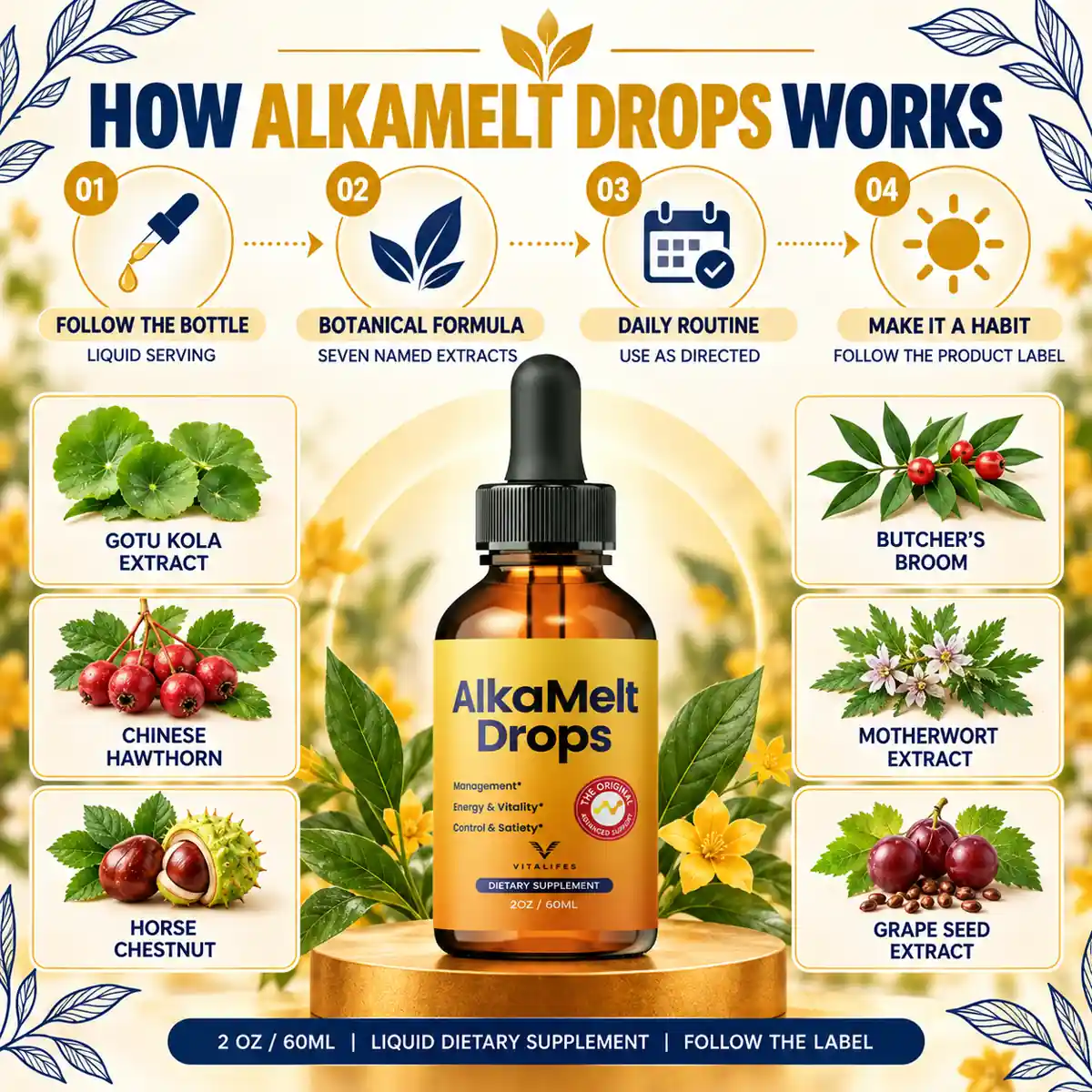
- This pack sheet names Chinese Hawthorn Extract (fruit) with no weight given.
- The Cochrane review of hawthorn for heart failure, and the largest dose-ranging trial on record, both used European hawthorn leaf-and-flower extract standardised to WS 1442, at 900 mg/day.
- A dedicated interaction study found hawthorn extract, taken alongside digoxin, did not change digoxin's own pharmacokinetics in the trial's short window — but hawthorn can still distort the laboratory test used to measure digoxin levels.
- That distortion is documented directly: hawthorn interferes with some digoxin immunoassays, which can produce a falsely reassuring or falsely alarming lab result.
- Anyone taking digoxin, or any other narrow-margin heart medication, should raise a hawthorn-containing product with their prescriber before starting it, independent of any dose question.
What this pack sheet actually names
The retail pack sheet for this product lists “Chinese Hawthorn Extract (fruit)” as the second of its seven named botanicals. Chinese hawthorn, Crataegus pinnatifida, is a species native to northern China, traditionally used as shan zha for digestion and fatty-meal tolerance, and it is a genuinely different species and plant part from the European leaf-and-flower hawthorn (Crataegus monogyna and C. laevigata) behind the clinical trial literature this page covers. That species gap is a real one and it is covered in full on this site’s metabolism supplement guide. This page has a narrower purpose: whichever hawthorn a bottle actually contains, the word “hawthorn” on any supplement label should trigger the same safety question before anything else, and that question is the subject here.
The Cochrane review, and the dose it pooled
The Cochrane review of hawthorn extract for chronic heart failure pooled fourteen randomised, double-blind, placebo-controlled trials of hawthorn leaf-and-flower monopreparations, ten of them (855 patients) suitable for combining. Hawthorn extract outperformed placebo on maximal workload, exercise tolerance, and the pressure-heart-rate product, a marker of cardiac oxygen demand. Every trial in that pool used a leaf-and-flower preparation, standardised to oligomeric procyanidins, in patients with NYHA class I-III heart failure — a specific clinical population, not a general wellness one.
It is worth being precise about what that population means for a general reader. NYHA class I-III heart failure describes people already diagnosed with a specific cardiac condition, ranging from no symptom limitation during ordinary activity (class I) to marked limitation with less-than-ordinary activity (class III). The trials the Cochrane review pooled were testing whether hawthorn extract, added on top of standard heart-failure management, improved measurable exercise and symptom outcomes in that diagnosed population. That is a meaningfully different question from whether hawthorn supports general cardiovascular wellness in someone with no diagnosed heart condition, and the review's own authors were careful to frame their conclusions within the population actually studied.
The dose-ranging trial: 900 mg separated from placebo, 1,800 didn't add more
A 2002 dose-ranging trial published in the American Heart Journal, sometimes cited as one of the precursor studies to the larger SPICE trial, tested the WS 1442 hawthorn extract against placebo in patients with NYHA class III chronic heart failure — a more advanced stage than the Cochrane pool's mixed population. The trial's result is worth reading exactly rather than summarising loosely: at 900 mg a day, WS 1442 separated meaningfully from placebo on the trial's efficacy measures. This is the dose most often quoted as hawthorn's clinical benchmark for a reason — it is the figure a dedicated dose-comparison trial actually validated.
| Source | Preparation | Dose | Population |
|---|---|---|---|
| Cochrane review, 2008 | Leaf-and-flower monopreparations (pooled) | Varied across 10 pooled trials | NYHA class I-III heart failure |
| Tauchert, 2002 (Am Heart J) | WS 1442, standardised leaf-and-flower extract | 900 mg/day, separated from placebo | NYHA class III heart failure |
Both rows describe leaf-and-flower extract in a diagnosed heart-failure population — not a general wellness dose in a healthy adult.
Order Alka Melt Drops from the desk that prints both lists
Liquid drops in a 2 oz, 60 mL amber glass bottle. Both of the seller’s ingredient lists appear on the product pages exactly as it publishes them, with the size and quality of the evidence behind each named botanical printed beside it — including its safety record.
Price at checkout on the marketplace listing · money-back guarantee as the listing prints it
Order Alka Melt Drops On The Official Website2 oz / 60 mL a bottle · serving on the bottle · lot ALK-26/GE-2938
The digoxin interaction study, read closely
Digoxin is a cardiac glycoside prescribed for heart failure and certain arrhythmias, and it has an unusually narrow therapeutic window: the gap between an effective dose and a toxic one is small, which is exactly why any interaction with digoxin deserves more caution than an interaction with a wider-margin drug. A dedicated interaction study, published in the Journal of Clinical Pharmacology, gave healthy volunteers digoxin alongside a hawthorn preparation and measured digoxin's own pharmacokinetics — how the body absorbed, distributed and cleared it.
The result, read precisely: over the study's short co-administration window, hawthorn did not produce a statistically significant change in digoxin's measured pharmacokinetic parameters. That is a real and useful finding, and it is also not the end of the interaction story, which is why this page does not stop there.
The second problem: a distorted lab reading
The more practically important finding sits in a separate paper. A 2010 study in Archives of Pathology & Laboratory Medicine examined whether hawthorn interferes with the immunoassay tests clinicians use to measure serum digoxin levels — the blood test that tells a prescriber whether a patient's digoxin dose is in the safe range. The finding was direct: hawthorn extract can interfere with some of these immunoassays, producing a measured digoxin level that does not accurately reflect what is actually in the patient's blood.
Put the two findings together and the picture is this: hawthorn may not meaningfully change how much digoxin is actually in a patient's system, but it can change what the lab test says is in their system. A falsely low reading could lead a prescriber to increase a dose that is already adequate; a falsely high one could lead to an unnecessary dose reduction. Either error happens without anyone doing anything wrong — the test itself is the point of failure, and only a prescriber aware of the interaction can account for it.
This is not a reason hawthorn cannot be taken alongside digoxin under medical supervision. It is a reason the two should never be combined without the prescriber knowing, since the interaction affects how their own monitoring test should be read.
Who this actually matters to
Digoxin is a specific, comparatively uncommon prescription today, used mainly for certain arrhythmias and select heart-failure cases rather than as a first-line therapy. Most readers of this page are not taking it. For the minority who are — or who take any other cardiac glycoside, or a class of arrhythmia medication with its own narrow margin — this interaction is the single most important fact on this page, more important than any dose-ranging figure above it.
It is also worth naming who this does not obviously apply to, since a caution stated too broadly loses its usefulness. Someone with no cardiac diagnosis, on no heart medication, taking no other botanical with a known cardiac interaction, is not in the population either of the two interaction findings above was studying. The point of this page is not to suggest hawthorn is broadly dangerous; the pooled trial evidence in the Cochrane review shows the opposite for its studied population. The point is that one specific, well-documented interaction exists, it is narrow in scope, and it is serious enough in the population it affects that this desk would rather over-communicate it than let a single reader miss it because a dose table looked more urgent.
Reading a hawthorn row on any label
Two questions before any dose question.
- Am I taking digoxin, or any other narrow-margin cardiac medication? If yes, this is a conversation with a prescriber before a purchase, not after.
- Which species and part is named? European leaf-and-flower is the tissue behind the trial literature above. This pack sheet names Chinese hawthorn fruit, a different species and part, covered in full on the metabolism supplement guide.
A third, more general habit is worth building alongside those two: treat any botanical marketed for cardiovascular support as a candidate for a prescriber conversation by default, whether or not a specific interaction has been published for it. Interaction research lags supplement marketing by years, sometimes decades, and the absence of a published interaction study is not the same as evidence of no interaction. Hawthorn's digoxin story is documented precisely because digoxin is closely monitored and its interactions are actively studied; a botanical paired with a less closely monitored medication could carry a comparable risk that has simply never been formally tested.
What that means for this bottle
This pack sheet names Chinese hawthorn fruit with no weight given, which means none of the 900 mg/day dose-ranging figure above can be matched against it even before the species question is raised. What does not depend on species or dose is the safety principle: any product naming any hawthorn should prompt the same question for anyone on digoxin or a related medication, because the immunoassay interference documented above is a laboratory-test problem, not a dose-response one. A larger amount of hawthorn is not obviously safer or riskier on this specific interaction than a smaller one, since the immunoassay interference has been documented without a clean dose threshold established in the published literature, which is one more reason this caution belongs at the top of the page rather than folded into a dosing table.
This site’s ingredients page carries this same caution beside hawthorn’s entry, alongside the other named botanicals on this pack sheet.
References
- Pittler MH, Guo R, Ernst E. Hawthorn extract for treating chronic heart failure. Cochrane Database Syst Rev. 2008;2008(1):CD005312. PMID 18254076. https://pubmed.ncbi.nlm.nih.gov/18254076/
- Tauchert M. Efficacy and safety of crataegus extract WS 1442 in comparison with placebo in patients with chronic stable New York Heart Association class-III heart failure. Am Heart J. 2002;143(5):910-5. PMID 12040357. https://pubmed.ncbi.nlm.nih.gov/12040357/
- Tankanow R, Tamer HR, Streetman DS, et al. Interaction study between digoxin and a preparation of hawthorn (Crataegus oxyacantha). J Clin Pharmacol. 2003;43(6):637-42. PMID 12817526. https://pubmed.ncbi.nlm.nih.gov/12817526/
- Dasgupta A, Kidd L, Poindexter BJ, Bick RJ. Interference of hawthorn on serum digoxin measurements by immunoassays and pharmacodynamic interaction with digoxin. Arch Pathol Lab Med. 2010;134(8):1188-92. PMID 20670141. https://pubmed.ncbi.nlm.nih.gov/20670141/