Alka Melt Drops Official Website › Blog › Alka Melt Drops Gotu Kola
What Does Alka Melt Drops Gotu Kola Mean on the Label?
Quick answer. Alka Melt Drops gotu kola is the first name on the seller’s seven-botanical ingredient graphic, listed as a leaf extract, with no amount printed. The main dose-ranging trial used 180 mg a day of the total triterpenic fraction, as 60 mg three times daily, and measured leg swelling, not weight. About 2 mL a day cannot carry that.
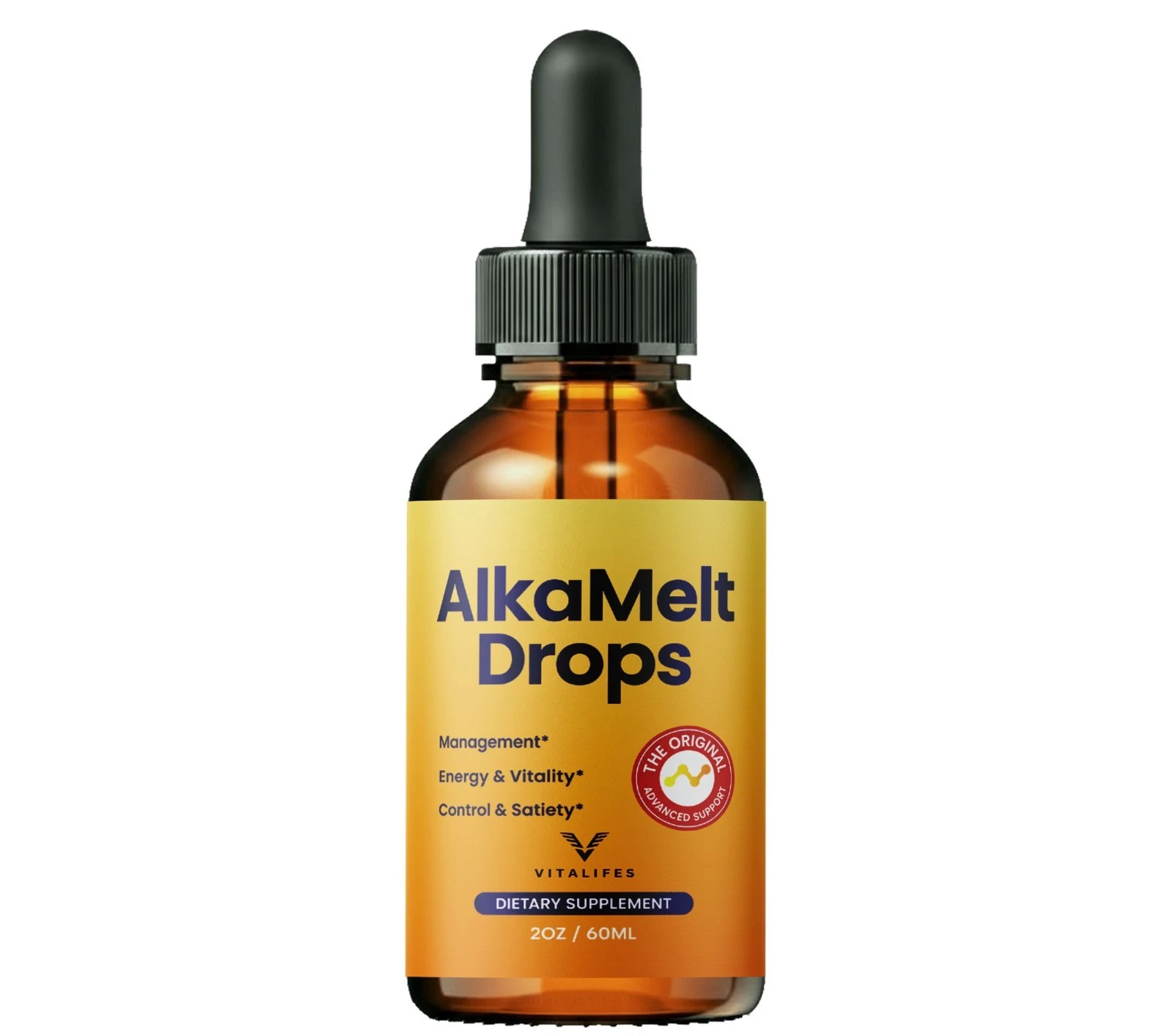
Want to see the pack options before you read the research? The seller’s checkout shows the packs and the guarantee.
See today’s price and guarantee
Price is set at the seller’s checkout. This website earns money when you order through it.
- Gotu kola extract (leaf, Centella asiatica) is named on the seven-botanical ingredient graphic. The What’s Inside panel does not name it.
- No amount, no extract ratio and no marker percentage is printed for it.
- The dose-ranging trial used 180 mg a day of the total triterpenic fraction, as 60 mg three times daily. The 30 mg three-times-daily arm did less.
- That research measured leg swelling and capillary filtration, not body weight.
- Reported effects are mostly stomach upset and, rarely, skin reactions. Liver concerns appear only in isolated case reports.
What is Alka Melt Drops gotu kola?
Gotu kola is a plant, Centella asiatica. On the seller’s ingredient graphic it appears first, as Gotu Kola Extract with the plant part given as leaf. That is Alka Melt Drops gotu kola in full: a name and a plant part. The label prints no amount, no extract ratio and no standardised marker.
The site points out that the plant part is the more useful half of that row. Leaf and root of one plant can be two ingredients with two bodies of evidence. The seller does better than many liquid formulas by printing the part at all. It does worse by leaving every number blank.
What would a checkable gotu kola row carry?
The material behind this name is a leaf extract usually standardised to its total triterpenic fraction. That fraction is made up of asiaticoside, asiatic acid and madecassic acid, and it is the reason the plant shows a dose response at all. A row reading standardised to a stated percentage of triterpenes would be checkable. A row that prints only the plant name is not.
The site lists five fields a checkable ingredient row would have: species, plant part, preparation and extract ratio, standardised marker and percentage, and amount per serving. On this bottle, two are present for most of the seven names (a common name and the plant part) and three are not. That puts the pack in the middle of its category, not at the bottom.
What did the Alka Melt Drops gotu kola research measure?
The key study is a placebo-controlled, randomised, dose-ranging trial of the total triterpenic fraction of Centella asiatica. It looked at swelling and increased capillary filtration in people with venous hypertension.
The result that matters for a label reader is the dose pattern. The site reports that 180 mg a day of the triterpenic fraction, given as 60 mg three times daily, worked. The lower arm, 30 mg three times daily, did less. A second placebo-controlled trial covers venous microangiopathy. A published review covers the plant’s chemistry and pharmacology.
Notice what is missing. None of this is about body weight. The site sorts gotu kola with horse chestnut, butcher’s broom and grape seed into a group studied for leg swelling, ankle size and capillary filtration. That is real evidence about a different outcome from the one the bottle is sold on.
Can 2 mL a day carry the gotu kola amount?
The site does the sum. A 60 mL bottle taken over a month is about 2 mL a day. That figure is arithmetic on the bottle’s volume and not a serving the label states. The trial amount was 180 mg a day of one fraction of one plant, and the site says 2 mL cannot carry that alongside 1,800 mg of hawthorn extract, 100 mg of escin, 1,200 mg of motherwort extract and 2,000 mg of bitter melon, all at once.
That does not prove the bottle holds no gotu kola. It means no one can say how much, and the research dose cannot be assumed. Alka Melt Drops gotu kola may be present in a trace or in a useful amount. The label is silent, and the trial cannot fill in a blank.
What side effects are linked to Alka Melt Drops gotu kola?
The published record is mild. The site reports stomach upset and, rarely, skin reactions. The controlled trials at 180 mg a day of the triterpenic fraction reported few withdrawals.
Liver concerns have been raised in isolated case reports, not in trials. The site is careful to separate those two kinds of evidence. It also says that nothing on either ingredient list is a known hepatotoxin. Even so, herbal and dietary supplements as a category account for a growing share of drug-induced liver injury. New unexplained tiredness, dark urine, pale stools or yellowing of the skin or eyes after starting anything is a reason to stop and be seen.
How should you think about Alka Melt Drops gotu kola before you buy?
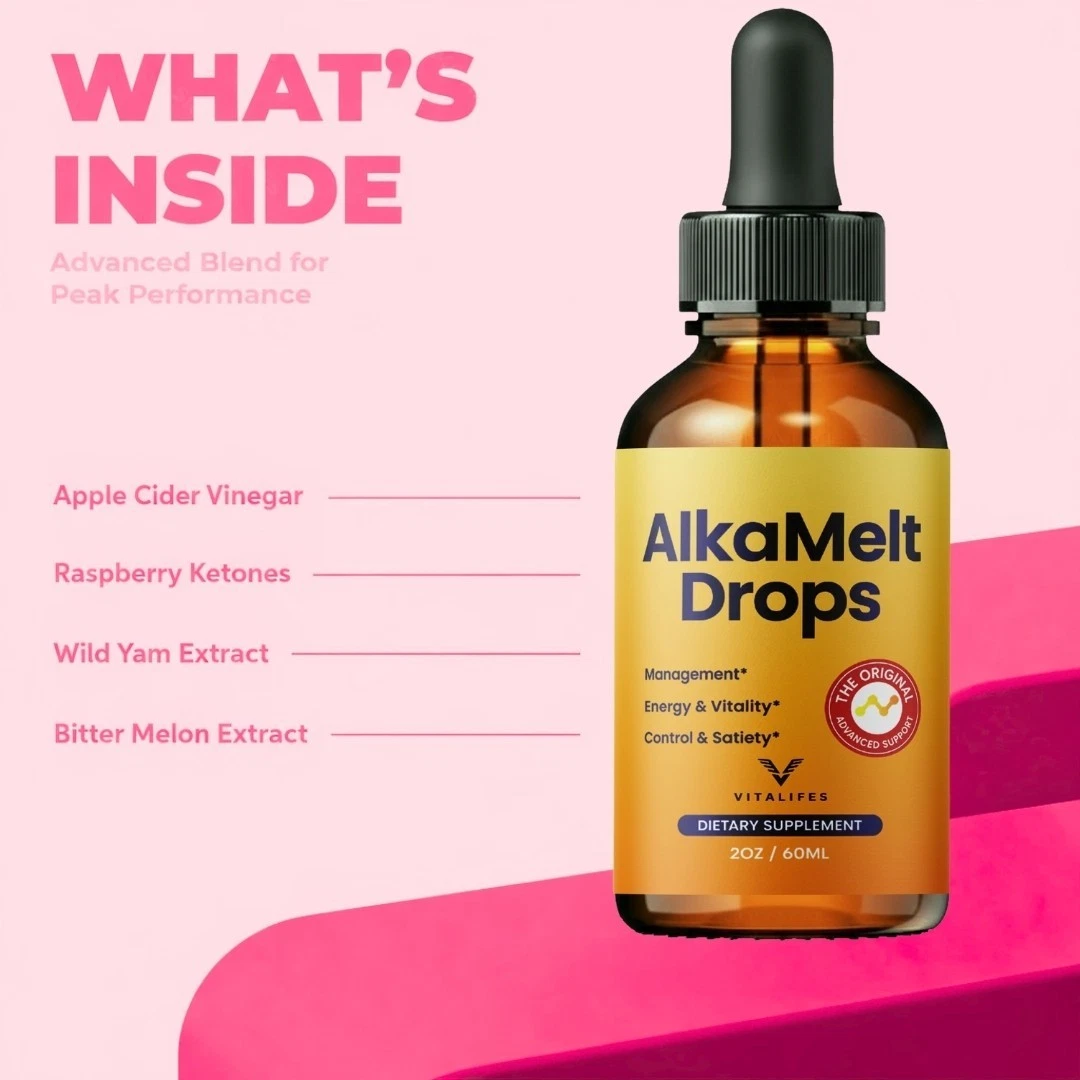
Hold three ideas together. First, gotu kola is a studied plant with a real trial behind one fraction of it. Second, that trial measured leg swelling, at an amount this bottle does not print. Third, the seller’s second graphic names four other ingredients and no gotu kola, so even its presence is unresolved.
Practical steps follow. Read the bottle for a panel. Tell your doctor about the full product, including both ingredient lists, if you take any medicine. Judge the bottle against something you measured before day one. And remember the wait: the common wait the seller reports is 3 to 6 weeks, in line with the trial lengths behind the plants.
What are the gotu kola facts for Alka Melt Drops?
| Item | What the site publishes |
|---|---|
| Name on the graphic | Gotu Kola Extract |
| Species and part | Centella asiatica, leaf |
| Amount on this label | Not published |
| Trial dose | 180 mg a day of the total triterpenic fraction, given as 60 mg three times daily |
| Lower trial arm | 30 mg three times daily, which did less |
| What the research measured | Leg swelling and capillary filtration |
| Named on the What’s Inside panel? | No |
Taken from the ingredients and home pages of this website. Trial doses are the trial’s amounts, not the bottle’s.
Where do these facts come from?
This page leans on the pages of this website and on public guides to how supplements are sold and overseen.
Frequently asked questions
Does Alka Melt Drops contain gotu kola?
It is the first name on the seller’s seven-botanical ingredient graphic. The What’s Inside panel names four different ingredients. The seller has not said which is right.
How much gotu kola is in Alka Melt Drops?
Not published. The label prints no amount for any ingredient.
What dose did the gotu kola trial use?
180 mg a day of the total triterpenic fraction, given as 60 mg three times daily. The 30 mg three-times-daily arm did less.
Does gotu kola help with weight?
The research behind it measured leg swelling and capillary filtration, not body weight.
What are the side effects of gotu kola?
Stomach upset and, rarely, skin reactions. Liver concerns appear in isolated case reports, not in trials.
Should I tell my doctor?
Yes, if you take any medicine. Name the product, say that no amounts are printed, and read out both ingredient lists.
Our view
Alka Melt Drops gotu kola is the best-studied name on the first list, and still it comes with a blank. The trial gives you a number to look for. The label does not give you one to compare.
We would not call it a reason to buy or a reason to walk away. We would call it a reason to read the bottle, ask questions and keep your expectations tied to what was measured: leg swelling at a stated amount, not weight at an unstated one.
If a panel ever appears with a real triterpene percentage, the picture would change quickly. Until then the plant is a name, and a name is half an ingredient.
Alka Melt Drops is a dietary supplement. It is not FDA approved, and no supplement is. These statements have not been evaluated by the Food and Drug Administration. This product is not intended to diagnose, treat, cure or prevent any disease. This page is general information, not medical advice. If you take a medicine, are pregnant or nursing, or have a health condition, ask your doctor before you use it.
If you try it, tell your doctor what is on the label first, and read your return window in the first week.
See today’s price and guarantee
Price is set at the seller’s checkout. This website earns money when you order through it.