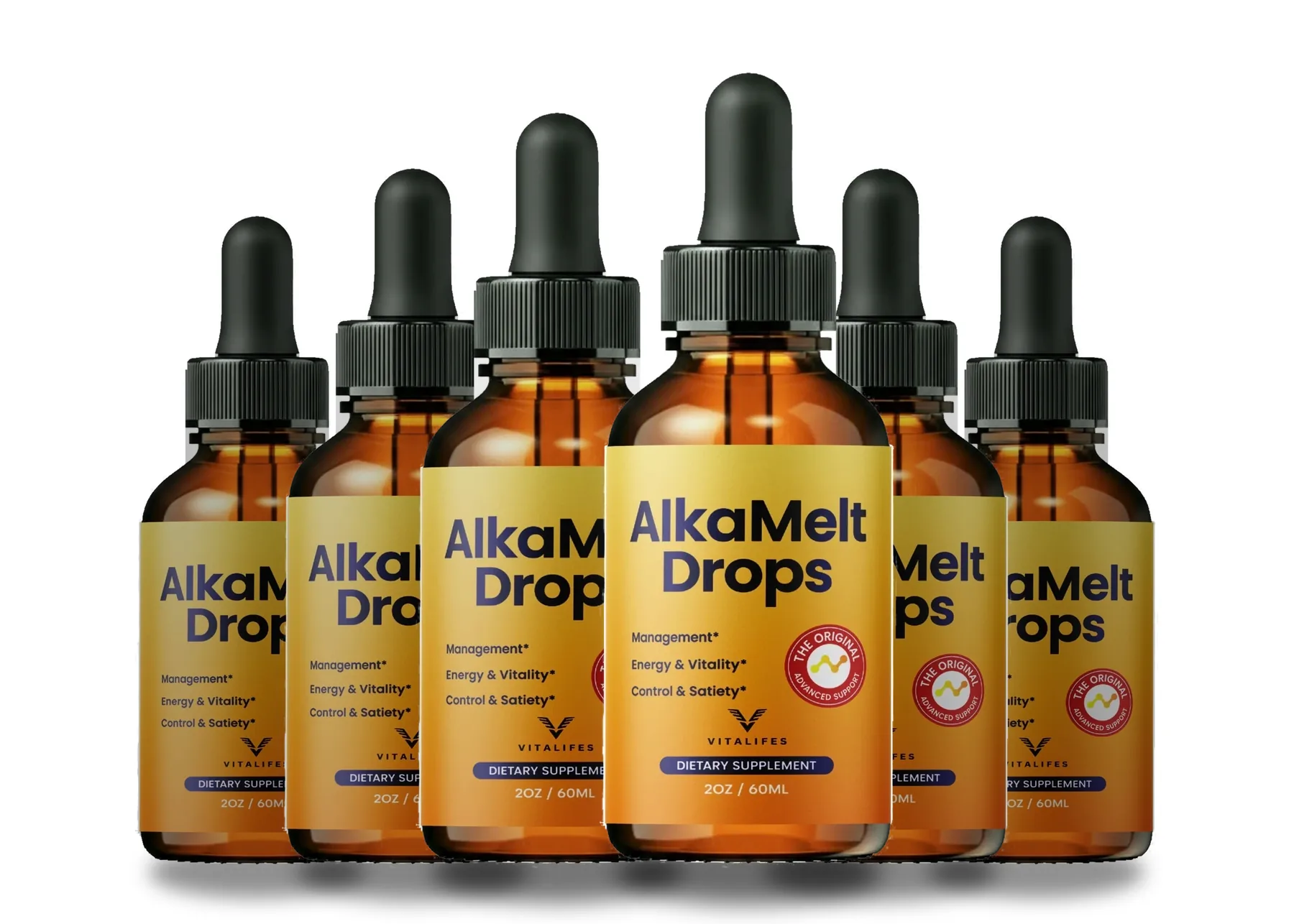
Alka Melt Drops Official Website › Blog › How Long Does It Take to Work?
How Long Does Alka Melt Drops Take to Work? A Week-by-Week Guide
Quick answer. The seller’s own buyer summary reports a common wait of 3–6 weeks. The studies on the named ingredients lasted four to sixteen weeks, and each took its key reading at the end. No ingredient has a first-week effect. Six weeks, judged against a number you wrote on day zero, is the first fair test.
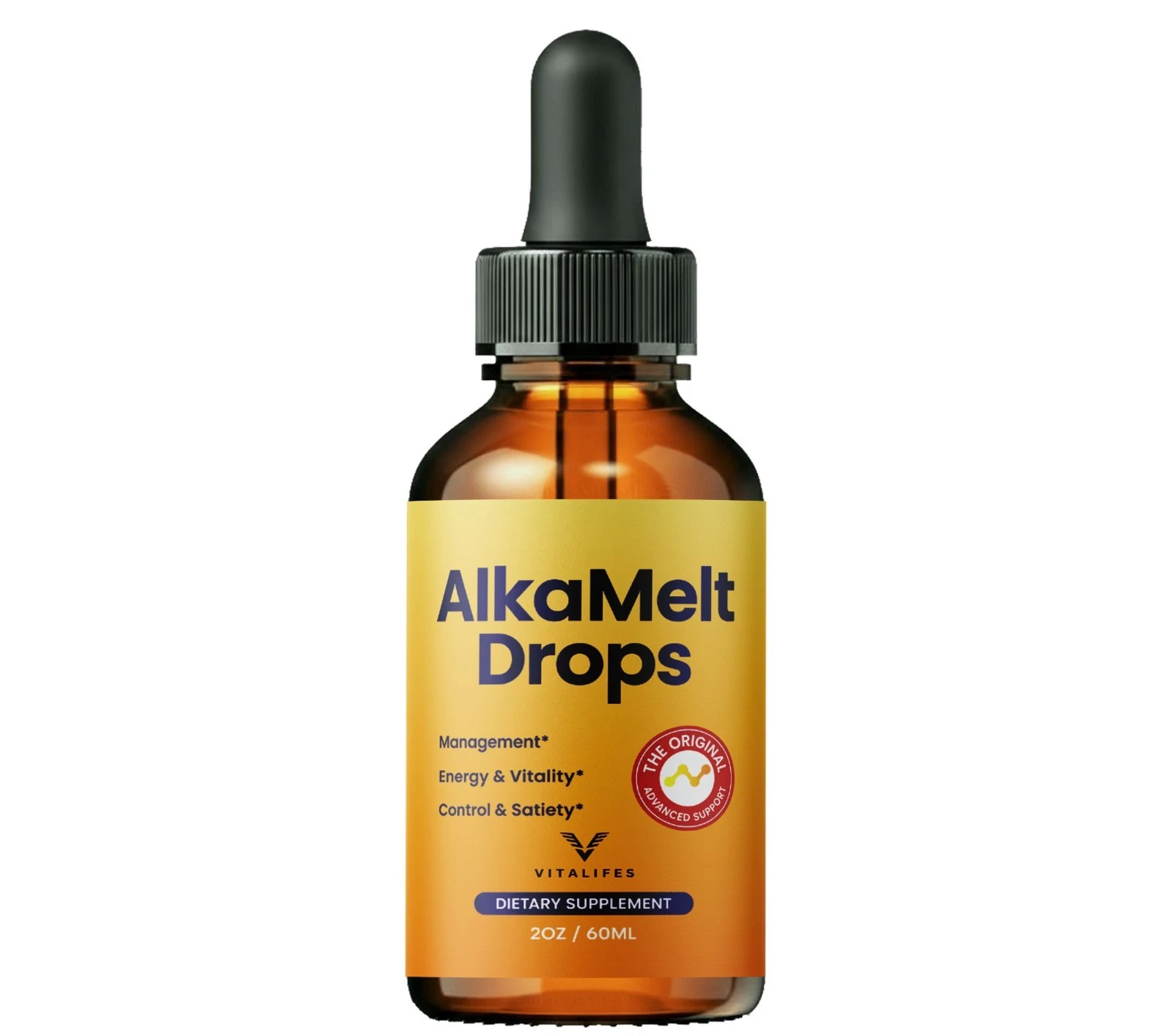
Planning a six-week test? The checkout shows the packs, so you can pick one that covers the whole run.
See today’s price and guarantee
Price is set at the seller’s checkout. This website earns money when you order through it.
- The distributor’s summary gives the common wait as 3–6 weeks.
- The trials ran 28 days at the shortest and 16 weeks at the longest.
- The buyer roster reports between day 27 and day 57. Nobody reported at two weeks.
- Time to effect depends on the amount, and the label prints none.
- Your return window is the one deadline with a fixed date.
Where does the 3 to 6 week figure come from?
It sits in the distributor’s review summary, as a line saying most buyers wait 3–6 weeks. That is a summary line, not a trial result.
It is still worth having, because it matches the research. Every controlled study behind the named ingredients had a length, a measuring plan and a point at which it reported. Lay those side by side and the answer to how long mostly shows itself.
How long did the studies behind each ingredient last?
| Ingredient | Study length | When results were checked |
|---|---|---|
| Horse chestnut, compared with compression stockings | 12 weeks | At the start, around the one-month mark, and at the end |
| Gotu kola, three dose levels | 8 weeks | Every four weeks |
| Butcher’s broom, against placebo | 12 weeks | At the end of treatment |
| Hawthorn extract, two doses | 16 weeks | Halfway and at the end |
| Motherwort oil extract | 28 days | Weekly |
| Vinegar, 15 and 30 mL a day | 12 weeks | Three times: weeks 4, 8 and 12 |
| Bitter melon, 2,000 mg a day | 3 months | At the end |
| Grape seed, pooled from 19 trials | 2 to 12 weeks | Varies with dose and length |
These are the schedules each ingredient was studied on. They are not a schedule for this bottle.
Two things stand out. The shortest study had the thinnest evidence behind it. And everything with a solid base ran eight weeks or more, with the key reading near the end. Not one of them would have shown a result after seven days.
What should you do in each week?
- Day zero. Record a baseline. Step on the scale once, same clothes, same hour. If your bottle matches the seven-botanical list, an evening ankle measurement fits what those trials tracked.
- Week one. There is nothing to look for. The single unhappy comment in the seller’s roster concerns this week, which makes it the classic letdown.
- Week two. Audit the habit, not the product. Is the dropper being used, or is it in a drawer?
- Week six. The first fair comparison. Lay the day-zero sheet next to today’s.
- Week twelve. Where most of the research stopped looking. If a change were going to appear at trial-like amounts, it would show by now.
What do the seller’s own buyers say about timing?
The distributor lists eight named buyers, each with a day count. Those day counts are the only timing data about this specific product, and they are summary copy, not checked records.
- Two buyers reported at about day 27 to 29, one from each of the two comment groups.
- Three reported between day 40 and day 48, all upbeat.
- Three reported between day 50 and day 57. Two were upbeat. One said the first week disappointed.
Read as timing data, the roster makes one point. Nobody spoke up at a fortnight. The earliest report is day 27 and the middle sits in the mid-forties. That sits comfortably with a six-week checkpoint.
How can you track a result honestly?
- Write the baseline before the first serving. Memory bends a starting point to suit the ending.
- Track what the ingredients were studied on. For the vein list that is leg size. For the vinegar list it is a slow, small weight drift.
- Weigh weekly, not daily. A daily number mostly records salt, sleep and water.
- Decide from the sheet, not from a feeling. If the numbers stayed put and nothing else changed, that is your answer.
Will a higher serving shorten the wait?
Probably not, and it adds risk. With no declared amounts, a bigger serving multiplies a number nobody knows. It also drains the bottle faster, which pulls your decision date forward without adding any evidence.
Waiting time depends on how much is taken. The horse chestnut study reported its result at twelve weeks, using 100 mg of escin a day. Cut that amount sharply and you would not get a late result. You would most likely get none, however long you waited.
Why might your numbers move for reasons that have nothing to do with the bottle?
Six weeks is a long time in anyone’s life. Meals change, sleep changes, a holiday arrives, a hot spell makes ankles swell. Any of these can shift the very number you are tracking.
That is why a fair test changes nothing else. If you start a new walking plan, a new breakfast and the dropper in the same week, no one can say which one did what. Keep the rest of your routine steady and the bottle becomes the only new thing.
It also helps to note one line a week in a notebook: the number, the date, and anything unusual such as a salty meal or a poor night. A short log turns a vague impression into a record you can read back at week six.
Which deadline is real?
Only one: the return window on your own listing. It is shown on your order page, not on this one, and it may close before week twelve. Find it in week one and write the date beside your baseline.
Which timing and policy facts are published?
| Item | What is published |
|---|---|
| Common wait | 3–6 weeks, from the distributor’s summary |
| Roster day counts | From 27 up to 57 |
| Shortest trial | 28 days |
| Longest trial | 16 weeks |
| Serving size | Not stated; follow the bottle |
| Cost | Left blank by the seller; the marketplace checkout shows it |
| Money-back promise | Yes. Your listing sets its length and no day count is given |
Where do these facts come from?
The schedules above come from the trials the seller cites.
- The 1996 Lancet trial against compression stockings
- The dose-ranging gotu kola trial
- The placebo-controlled butcher's broom trial
- The WS 1442 dose-comparison trial
- The one clinical study of motherwort oil extract
- The 12-week vinegar trial
- The 2025 meta-analysis of apple cider vinegar
- A 2000 mg/day bitter melon trial
- A dose-response meta-analysis of grape seed extract
- The Cochrane review of phlebotonics
Frequently asked questions
How soon will Alka Melt Drops start to work?
The seller’s buyer summary gives 3–6 weeks, while the ingredient studies lasted four to sixteen weeks. Week six is the first fair point to compare.
Will I notice anything in the first week?
No ingredient on either list has a first-week effect. The one unhappy comment in the roster is about week one.
How long should I try it before giving up?
Six weeks, measured against something you wrote down on day zero. Check your return window while it is still open.
Does taking more speed it up?
No. With no declared amounts, more means multiplying an unknown, and it empties the bottle sooner.
Do the two ingredient lists have different timelines?
Slightly. The leg-vein trials measured at four and twelve weeks. The vinegar and bitter melon trials reported at twelve weeks and three months.
What if my return window ends before six weeks?
Then decide what to test inside it, and phone the order desk before it closes. Read the window on your listing in week one.
Our view
The honest timeline is slow, and the seller does not pretend otherwise. That is a point in its favour.
What you need is a plan, not patience alone. Write your baseline, protect your return window and compare numbers at week six. If nothing moved and nothing else changed, you have your answer.
Alka Melt Drops is a dietary supplement. It is not FDA approved, and no supplement is. These statements have not been evaluated by the Food and Drug Administration. This product is not intended to diagnose, treat, cure or prevent any disease. This page is general information, not medical advice. If you take a medicine, are pregnant or nursing, or have a health condition, ask your doctor before you use it.
If you order, start the clock on delivery day and write down the return deadline before the first serving.
See today’s price and guarantee
Price is set at the seller’s checkout. This website earns money when you order through it.