Alka Melt Drops Official Website › Blog › Horse Chestnut And Heavy Legs
Horse Chestnut, Escin And Heavy Legs: What Was Measured
Horse chestnut carries the best randomised evidence of any name on either of this seller’s two ingredient lists. It is worth knowing exactly what that evidence is about, because the answer is legs — ankle circumference, leg volume, the ache at six in the evening — and not the thing a metabolism label implies.
What horse chestnut seed extract is
Aesculus hippocastanum is the conker tree. The seed — the conker itself — is processed into a standardised extract, and the compound that extract is standardised on is escin, a mixture of triterpene saponins.
Standardised on escin is the phrase to hold. It means a manufacturer measures the escin content and adjusts the preparation so that every batch delivers the same amount of it. That is what makes the trials comparable with each other, and it is what a label has to reproduce for a trial result to have anything to do with its product.
The proposed mechanism is venous rather than metabolic. Escin is described as reducing capillary permeability and improving venous tone, which would mean less fluid leaving the capillaries into the surrounding tissue. A review of escin's pharmacology sets out the anti-oedema and anti-inflammatory activity that the clinical work was built on.
What the trials actually measured
The Cochrane review of horse chestnut seed extract for chronic venous insufficiency is the anchor. It pools the randomised trials and reports improvements in leg pain, oedema and itching against placebo, and it describes the evidence as suggestive of benefit while noting the limitations of the underlying trials.
The 1996 trial is the most quoted single study, and deservedly. It randomised patients with chronic venous insufficiency to the extract, to compression stockings or to placebo for twelve weeks, and measured lower leg volume by water displacement. The extract and the stockings produced comparable reductions; placebo did not. Matching a physical therapy on a physical measurement is a serious result for a plant extract.
| What the trials measured | What they found | How it was measured |
|---|---|---|
| Lower leg volume | Reductions comparable to compression stockings over 12 weeks | Water displacement of the leg, a physical measurement |
| Ankle and calf circumference | Consistent reductions against placebo | A tape measure at a marked point, repeated at fixed intervals |
| Leg pain | Improved against placebo across the pooled trials | Patient-reported scores, which are softer than the volume figures |
| Oedema and itching | Improved against placebo | Symptom scoring by the participants |
| Body weight | Not an endpoint in this literature | Not measured as an outcome in the trials this evidence rests on |
Every row is from the chronic venous insufficiency literature. The last row is the one a metabolism label needs and the one the research does not supply.
Look down the left-hand column. Leg volume, ankle circumference, leg pain, oedema, itching. This is a literature about a specific vascular problem in people who have that problem.
The bottom row is the one that matters to anyone reading this on a metabolism product. Body weight was not an endpoint. It was not a secondary outcome, it was not a subgroup finding, and there is no pooled figure for it, because the trials were not asking that question.
The dose, and why escin is the number that matters
A horse chestnut row on a label is uninterpretable without an escin figure, and this is the single most useful thing to know about the ingredient.
| Preparation | Amount used | Duration |
|---|---|---|
| Standardised horse chestnut seed extract | 100 mg a day of escin, as 50 mg twice daily | 12 weeks, against compression stockings |
| The same class of extract, pooled across trials | Doses standardised to escin content, mostly in the same range | Typically 2 to 12 weeks |
| Topical preparations | A separate literature with separate amounts | Not comparable to the oral trials |
| This dropper | The seller publishes no amount | Not applicable |
Escin is the standardised marker. A horse chestnut row without an escin figure cannot be compared with any of the rows above it.
One hundred milligrams a day of escin, given as 50 mg twice daily. That is the figure the twelve-week trial used, and the surrounding literature clusters near it. A label printing “horse chestnut extract 200 mg” with no escin percentage could be delivering anything from a fraction of that to more than it, and no reader can tell which.
This is why the check matters more than the ingredient. A product naming horse chestnut and printing an escin amount can be compared with the trial in ten seconds. A product naming it without one has borrowed a reputation without the number that earned it.
The four names it keeps company with
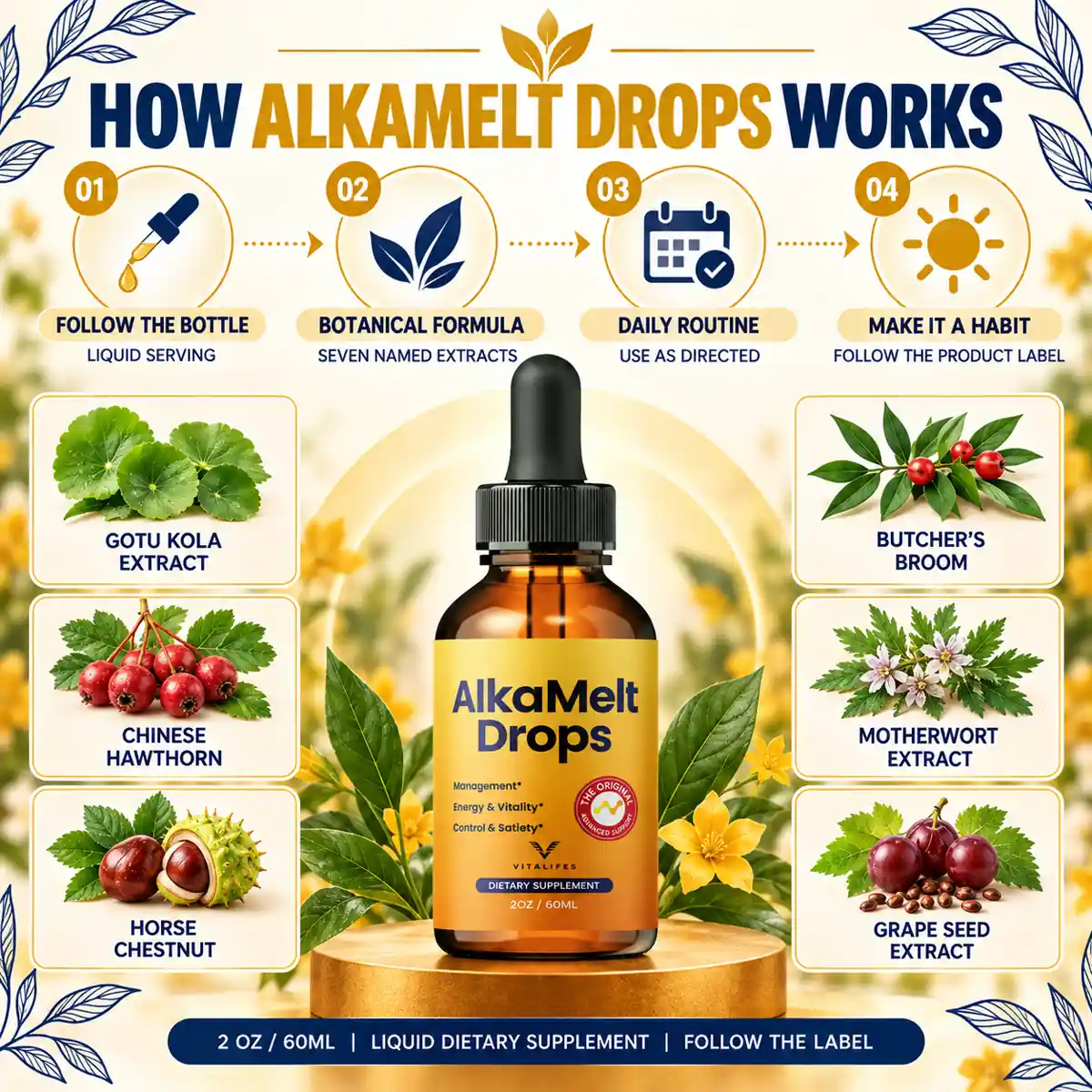
Horse chestnut rarely appears alone. On the first of this seller’s two lists it sits with gotu kola, butcher’s broom, grape seed and hawthorn, and that grouping is not a coincidence. It is the combination European venous products have used for decades, and recognising it tells a reader more about a formula than any single row does.
- Gotu kola is studied for capillary filtration and microangiopathy, at 180 mg a day of the total triterpenic fraction. The trial that established it also tested a third of that amount and found it weaker.
- Butcher’s broom has a placebo-controlled trial in venous insufficiency whose dosing is quoted as a monograph amount rather than a milligram figure, which makes it unusually hard to compare a label against.
- Grape seed has pooled data on blood pressure and a separate venous literature, and its effect is described as dose- and duration-dependent with no single established amount.
- Hawthorn is the outlier of the four: its main trial base is cardiac exercise tolerance rather than legs, and it is the one name in the group with a documented medicine interaction.
Seeing four of those five on a label alongside horse chestnut is a strong signal about what the formula was assembled from, whatever the front of the bottle is selling it for. It is also the reason this desk prints both of the seller’s lists rather than choosing between them: the first list has a recognisable shape and a real literature, and a reader deserves to see it.
Order Alka Melt Drops from the desk that prints both lists
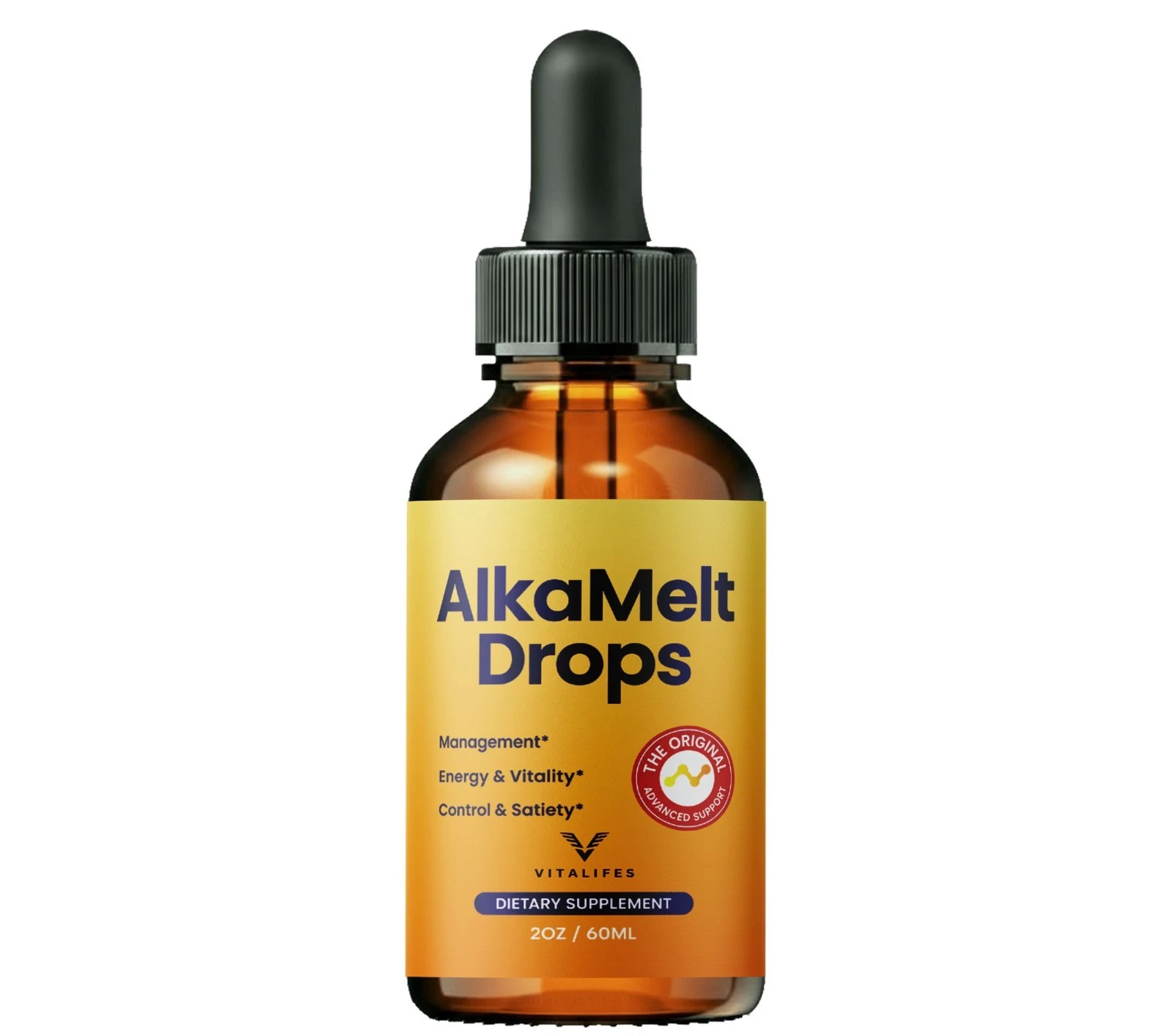
Liquid drops in a 2 oz, 60 mL amber glass bottle. Both of the seller’s ingredient lists appear on the product pages exactly as it publishes them, with the amount each named botanical’s trials used printed beside it.
Price at checkout on the marketplace listing · money-back guarantee as the listing prints it
Order Alka Melt Drops On The Official Website2 oz / 60 mL a bottle · serving on the bottle · lot ALK-26/GE-2938
Where the evidence thins out
The case for horse chestnut is real and it is not unlimited. Three qualifications belong beside it, and a page that omits them is selling rather than explaining.
The trials are short and mostly old
A critical appraisal of the evidence makes the point that the trial base is dominated by studies of a few weeks to a few months, several of them conducted decades ago, with methodological standards that would not pass a modern review board unchanged. Short and old does not mean wrong. It means the long-term picture is genuinely unknown.
The comparison with a second preparation is imperfect
A meta-analysis comparing the extract with reference treatments found it broadly comparable to the alternatives it was tested against, in trials that varied in how they defined and measured the condition. Broadly comparable across heterogeneous trials is a weaker statement than it first sounds.
The population was not the general public
Participants had diagnosed chronic venous insufficiency. Nobody has run these trials in healthy adults who simply want to feel lighter, and the effect in a population without the condition is not something the literature speaks to.
Safety, and the two things worth naming
The oral standardised extract has a reasonable tolerability record in the trials, with gastrointestinal complaints the commonest report. Two specific points are worth naming once, properly, rather than hedged repeatedly.
- Raw conkers are not the extract. The unprocessed seed contains esculin and is toxic. The standardised preparation is made precisely to remove that, and NCCIH's page on horse chestnut is explicit about the distinction. Nobody should improvise with the plant.
- Escin has its own toxicology. The toxicological review covers renal and haemolytic effects at high exposures and in specific contexts. That is a reason to respect a dose rather than an alarm about a standardised extract taken as studied.
- Bleeding risk sits alongside anticoagulants. Anyone on warfarin or a similar medicine should tell the prescriber that a horse chestnut product is in the cupboard, before starting it rather than after.
What this means for a label that names it
Horse chestnut appears on the first of this seller’s two ingredient lists, alongside gotu kola, butcher’s broom, grape seed and hawthorn. Those five together are the standard venous stack, and their presence is the clearest signal available about what that list was assembled to do.
No escin amount is published for this bottle, and no amount of anything else is either. So the comparison a reader would want to make — is this near the 100 mg a day that matched compression stockings, or nowhere near it — cannot be made. That is stated plainly here and on every page of this website that names the ingredient.
What a reader can take away is more portable than this one product. Escin is the number. A horse chestnut row with an escin figure beside it can be checked against a real trial in seconds, on any label, in any shop. A row without one cannot be checked at all, and knowing which kind you are holding is most of the skill.
- The evidence is about chronic venous insufficiency: leg volume, ankle circumference, oedema and pain.
- The anchor trial used 100 mg a day of escin, as 50 mg twice daily, for twelve weeks.
- It matched compression stockings on lower leg volume, measured by water displacement.
- Body weight was not an endpoint anywhere in this literature.
- Escin is the figure to look for. A horse chestnut row without one cannot be compared with any trial.
References
- Pittler MH, Ernst E. Horse chestnut seed extract for chronic venous insufficiency. Cochrane Database Syst Rev. 2012;11(11):CD003230. PMID 23152216. https://pubmed.ncbi.nlm.nih.gov/23152216/
- Diehm C, Trampisch HJ, Lange S, Schmidt C. Comparison of leg compression stocking and oral horse-chestnut seed extract therapy in patients with chronic venous insufficiency. Lancet. 1996;347(8997):292-4. PMID 8569363. https://pubmed.ncbi.nlm.nih.gov/8569363/
- Siebert U, et al. Efficacy, routine effectiveness, and safety of horsechestnut seed extract in the treatment of chronic venous insufficiency. A meta-analysis of randomized controlled trials and large observational studies. Int Angiol. 2002;21(4):305-15. PMID 12518108. https://pubmed.ncbi.nlm.nih.gov/12518108/
- Ottillinger B, Greeske K. Rational therapy of chronic venous insufficiency - chances and limits of the therapeutic use of horse-chestnut seeds extract. BMC Cardiovasc Disord. 2001;1:5. PMID 11747472. https://pubmed.ncbi.nlm.nih.gov/11747472/
- Gallelli L. Escin: a review of its anti-edematous, anti-inflammatory, and venotonic properties. Drug Des Devel Ther. 2019;13:3425-3437. PMID 31631970. https://pubmed.ncbi.nlm.nih.gov/31631970/
- Wang Y, et al. Beta-Escin: An Updated Review of Its Analysis, Pharmacology, Pharmacokinetics, and Toxicity. Am J Chin Med. 2023;51(8):2095-2120. PMID 37865870. https://pubmed.ncbi.nlm.nih.gov/37865870/
- Horse Chestnut. National Center for Complementary and Integrative Health, National Institutes of Health. https://www.nccih.nih.gov/health/horse-chestnut