Alka Melt Drops Official Website › Blog › Are Alka Melt Drops Safe?
Are Alka Melt Drops Safe? Side Effects and Medicine Interactions
Quick answer. No side-effect list is printed on the bottle. The published record for the eleven named ingredients is mild and mostly digestive. Three medicine groups need a doctor first: digoxin, glucose-lowering drugs and blood thinners. Healthy adults aged 18 and above are the target, and pregnant or nursing people should skip it. Nobody has studied the full mix.
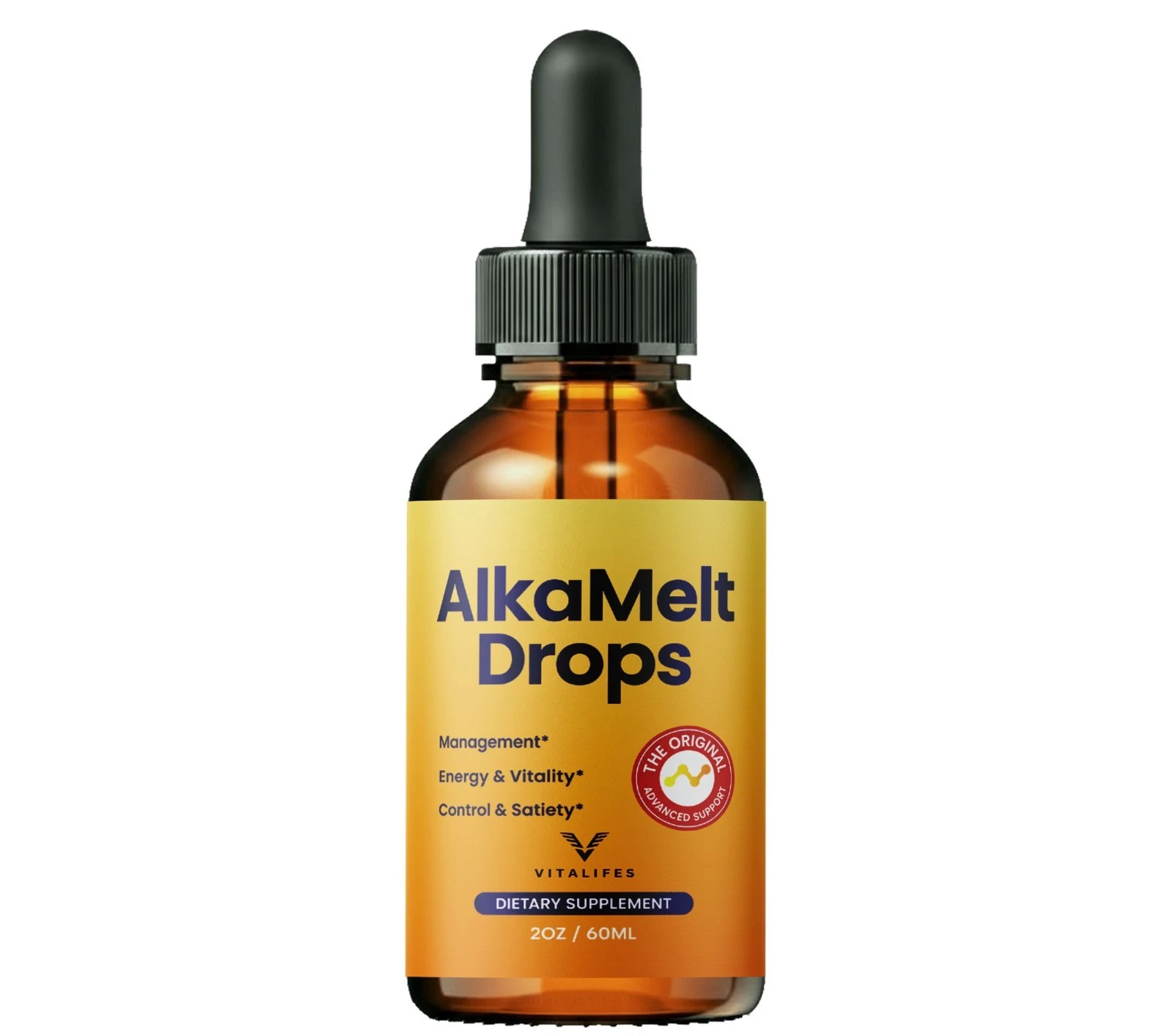
If your doctor is happy with the ingredient lists, the checkout shows the packs and the return terms.
See today’s price and guarantee
Price is set at the seller’s checkout. This website earns money when you order through it.
- Meant for healthy adults aged 18 and above. Under 18s, and anyone pregnant or nursing, are excluded.
- Hawthorn and digoxin: a measured interaction in healthy volunteers.
- Bitter melon lowers blood glucose. That matters if you take a glucose-lowering medicine.
- Several named plants carry bleeding cautions, on weak evidence.
- The longest trial behind any ingredient ran twelve weeks. Long-term use is not studied.
How do you judge safety when no amounts are printed?
Two things decide what any botanical liquid can do to a body: what is in it, and how much. This bottle gives two answers to the first and none to the second.
So the best we can do is describe each named ingredient at the doses its studies used. We can then say plainly that the quantity question has no answer. That is less than a normal safety page can offer, and we will not pretend otherwise.
The picture that comes out is mild. None of the eleven names is a known liver toxin, and none carries a boxed warning. Most reported effects are brief and digestive.
What side effects do the named ingredients have?
| Ingredient | What published work reports |
|---|---|
| Horse chestnut | Stomach upset, dizziness, itching and headache at therapeutic amounts |
| Chinese hawthorn | Mild and infrequent: dizziness, nausea, stomach complaints |
| Gotu kola | Stomach upset and, rarely, skin reactions. Isolated case reports raised liver concerns |
| Butcher’s broom | Stomach discomfort and occasional nausea |
| Grape seed | Headache, dry scalp, dizziness and nausea in a minority |
| Motherwort | Drowsiness in the one clinical study |
| Stone root | Nothing reported, because almost nothing has been run |
| Apple cider vinegar | Throat irritation, enamel wear with repeated undiluted contact, worse reflux in people prone to it |
| Bitter melon | Abdominal pain and diarrhoea. Lower blood glucose as an intended effect |
| Raspberry ketones | No human safety data at any dose |
| Wild yam | No adverse effects separated from placebo |
Each entry describes the ingredient as trials used it. This label prints no amount for any of them.
Searches for alkamelt side effects are common, and the honest summary is short. Expect, at worst, a bit of stomach upset. If you start something new and feel worse within days, stop and see what changes.
Which medicines should you check with a doctor first?
Three groups deserve a sentence at an appointment before the first drop.
- Digoxin. Hawthorn is on the seller’s first list. A study in healthy volunteers found that taking hawthorn changed how the body handled digoxin. Digoxin has a narrow gap between a useful level and a harmful one, so tell your prescriber and name hawthorn.
- Glucose-lowering medicines. Bitter melon is on the second list and lowers blood glucose. Add it to insulin, metformin or a sulfonylurea and two things push the same way. The risk is a low reading.
- Blood thinners and antiplatelets. Several named plants carry bleeding cautions. The evidence is mostly case reports and theory, so this is a reason to tell your prescriber, not a reason to panic.
Grape seed has pooled evidence of a small drop in blood pressure, so people on blood pressure medicine should mention it too. Because no amounts are declared, overlap with other supplements cannot be added up. Keep the number of botanical products you take at once small.
Say the product name. Tell them it is a plant-based liquid with no amounts on the label, then read both ingredient lists aloud. A prescriber can work with that. A vague description gives them nothing to check.
Does the dropper format bring its own risks?
Yes, two small ones, and both are about habit rather than formula.
Acid, teeth and reflux. If the vinegar list is the one in your bottle, the liquid contains acetic acid. Diluting a serving in water, taking it with food and rinsing with plain water afterwards helps. Brushing straight after anything acidic does not.
Dropper hygiene. A pipette that touches your tongue or a glass carries that back into the bottle. If the liquid turns cloudy, smells different or shows something floating, stop using that bottle.
Who is better off leaving it alone?
- Children and teens under 18. Nothing on either list has been studied in young people.
- Anyone pregnant, trying to conceive or nursing. Motherwort has a traditional reputation as a uterine stimulant, and several names have no reproductive safety data.
- Anyone on digoxin, a blood thinner, an antiplatelet or a glucose-lowering medicine who has not raised it with a prescriber.
- Anyone who must know the exact amount they swallow. This bottle cannot say.
Allergic reactions to plant products are rare but they come fast. A rash, swelling of the lips or face, or trouble breathing means stop and seek urgent care.
Is it safe to take every day, or for a long time?
The label asks for a daily habit, and the studies behind the ingredients dosed daily for weeks. The longest ran twelve weeks. Nothing published covers years of use for any name on either list.
A sensible way to use it is for a set period, judged against something you measured. Then decide again. Do not let it run on automatically.
Get seen if unusual tiredness comes with dark urine, pale stools or a yellow tint to the skin or eyes. Studies of liver injury list herbal and dietary products as a rising cause. Serious problems can be reported to the FDA through its MedWatch programme. Tell the order desk too, with the lot code from the base of the bottle.
Which safety and guarantee facts are published?
| Item | What is published |
|---|---|
| Target users | Healthy adults aged 18 and above |
| Who it is not for | Under 18, pregnant or nursing |
| Named interaction | Hawthorn with digoxin |
| Other cautions | Bitter melon and glucose medicines. Bleeding cautions on several plants |
| Amounts on the label | None printed for any ingredient |
| Money-back guarantee | Window comes from your listing; no day count; you pay return postage |
| Report a problem | Order desk +1 (302) 200-3480, and FDA MedWatch for serious events |
Where do these facts come from?
These are the safety reviews and interaction studies the seller names.
- A 2023 review of escin's pharmacokinetics and toxicity
- NCCIH on horse chestnut
- A systematic review of hawthorn's adverse-event profile
- NCCIH on hawthorn
- The hawthorn and digoxin interaction study
- The placebo-controlled butcher's broom trial
- NCCIH on grape seed extract
- The one clinical study of motherwort oil extract
- The 12-week vinegar trial
- The Cochrane review of bitter melon
- A meta-analysis of bitter melon and blood glucose
- A 2021 review of raspberry ketone research
- The placebo-controlled wild yam trial
- A systematic review of warfarin and supplement interactions
- A review of liver injury from herbal and dietary supplements
- The review of unapproved drugs found in supplements
- The FDA's questions and answers on dietary supplements
Frequently asked questions
Are Alka Melt Drops safe?
For healthy adults, the published record on the named ingredients is mild and mostly digestive. Safety of the finished bottle has not been studied, and no amounts are printed, so a doctor should be asked first if you take any medicine.
Does it have side effects?
The bottle carries no list of them. The likely ones are stomach upset, nausea, headache and, with vinegar, throat irritation or tooth sensitivity.
Can I take it with blood pressure or heart medicine?
Ask your prescriber first. Grape seed has pooled evidence of a small blood pressure drop, and hawthorn interacts with digoxin.
Is it safe with diabetes medicine?
Tell whoever manages your medicine. Bitter melon lowers blood glucose, so a low reading is the risk to watch for.
Can I take it every day?
The label points to a daily habit. The longest trial behind any ingredient ran twelve weeks, so there is no long-term data. Take it for a set period and review.
Can men and women both take it?
Yes, provided they are healthy adults. Neither ingredient list is aimed at one sex. Pregnant or nursing women should not take it.
Our view
Our view on safety is calm but careful. The named ingredients have long histories and mild records. The bottle that holds them has no declared amounts and no study of its own.
That mix means two habits are worth the effort. Tell your doctor or pharmacist if you take anything on the list above. And stay alert in the first fortnight, stopping if something new shows up.
A supplement should never be the reason you change a prescribed medicine. Leave that decision to the person who prescribes it.
Alka Melt Drops is a dietary supplement. It is not FDA approved, and no supplement is. These statements have not been evaluated by the Food and Drug Administration. This product is not intended to diagnose, treat, cure or prevent any disease. This page is general information, not medical advice. If you take a medicine, are pregnant or nursing, or have a health condition, ask your doctor before you use it.
Ordering? Keep the confirmation email and the lot code from the base of the bottle, in case you ever need to report a problem.
See today’s price and guarantee
Price is set at the seller’s checkout. This website earns money when you order through it.